 From professionals for professionals
 Satisfied customers

Sealing
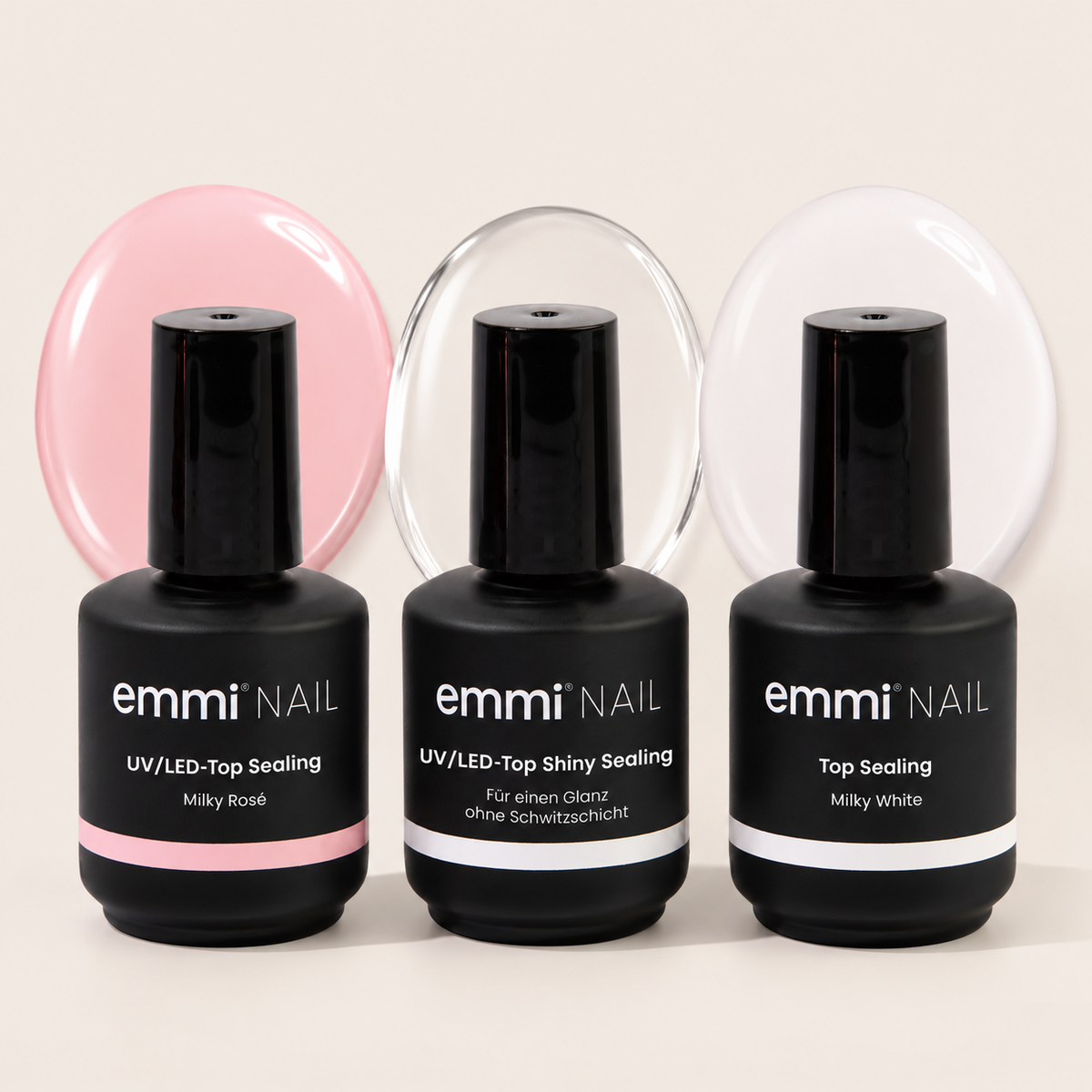
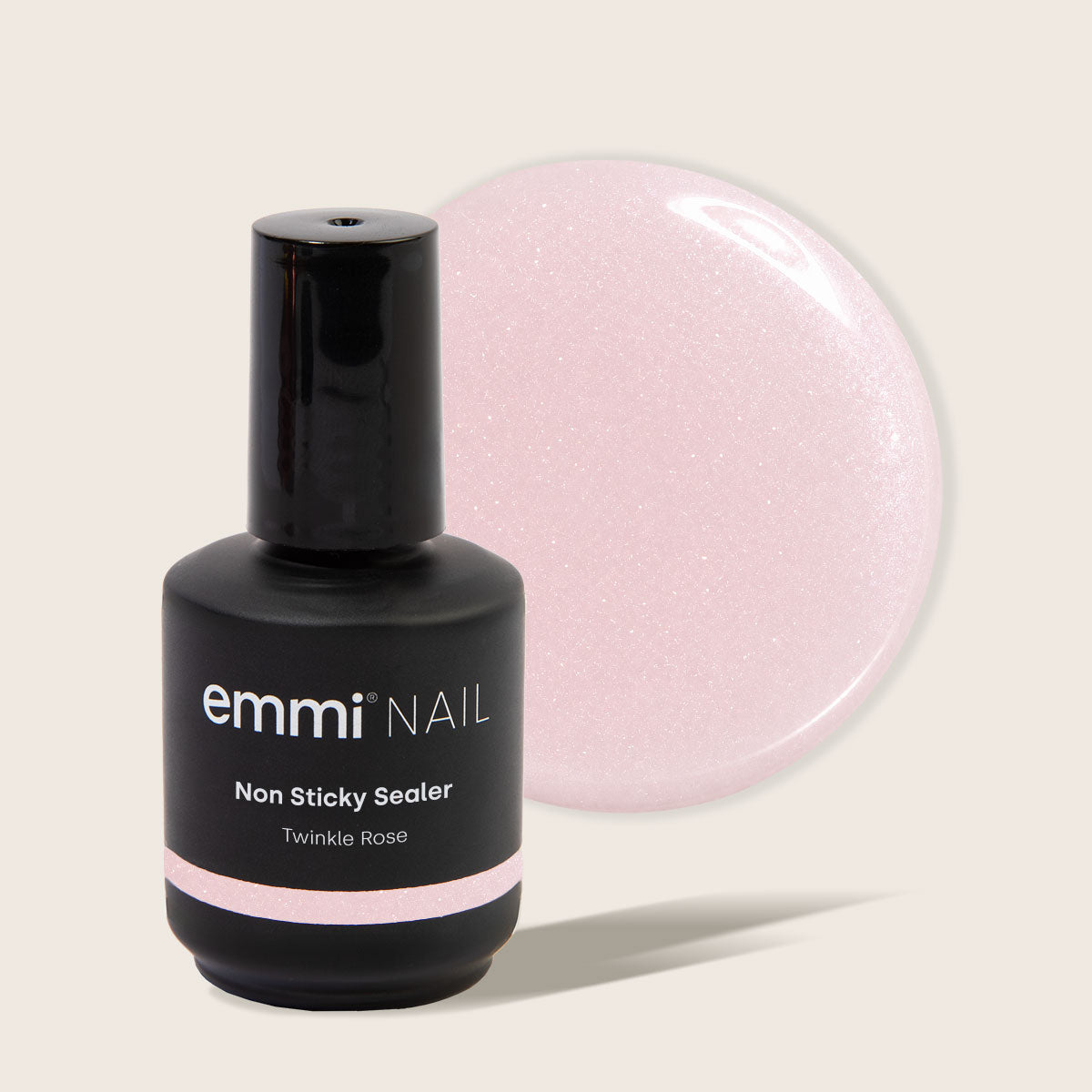
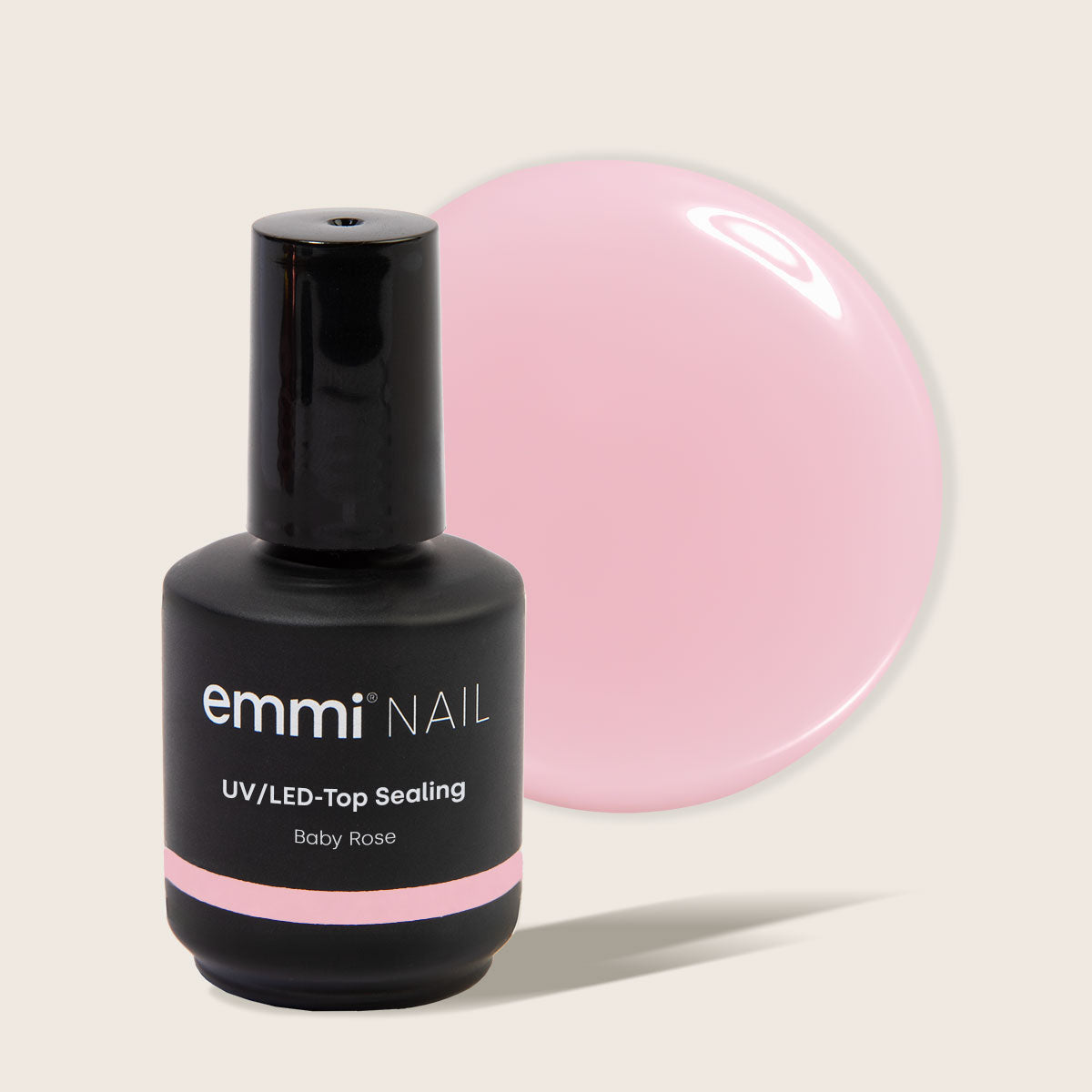
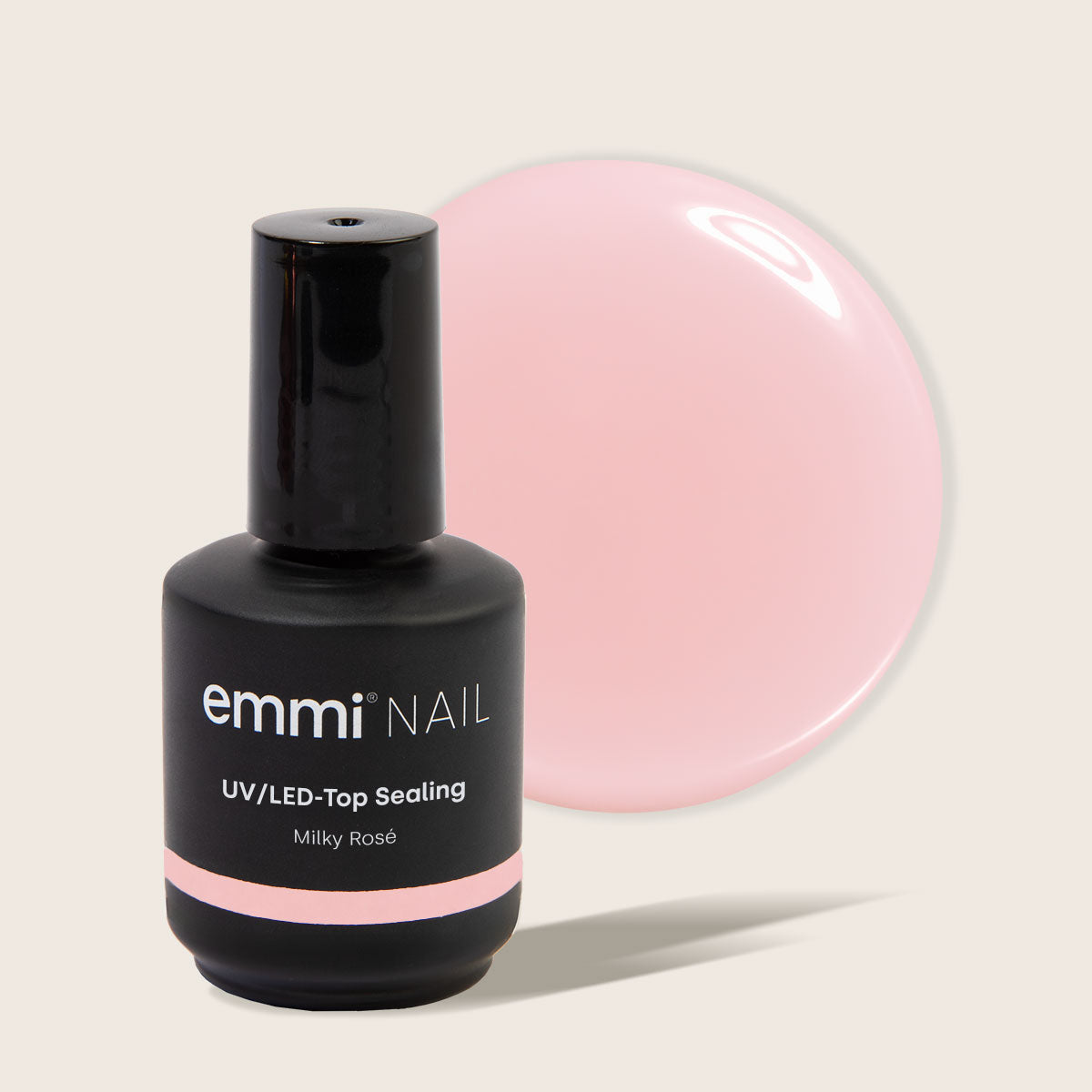
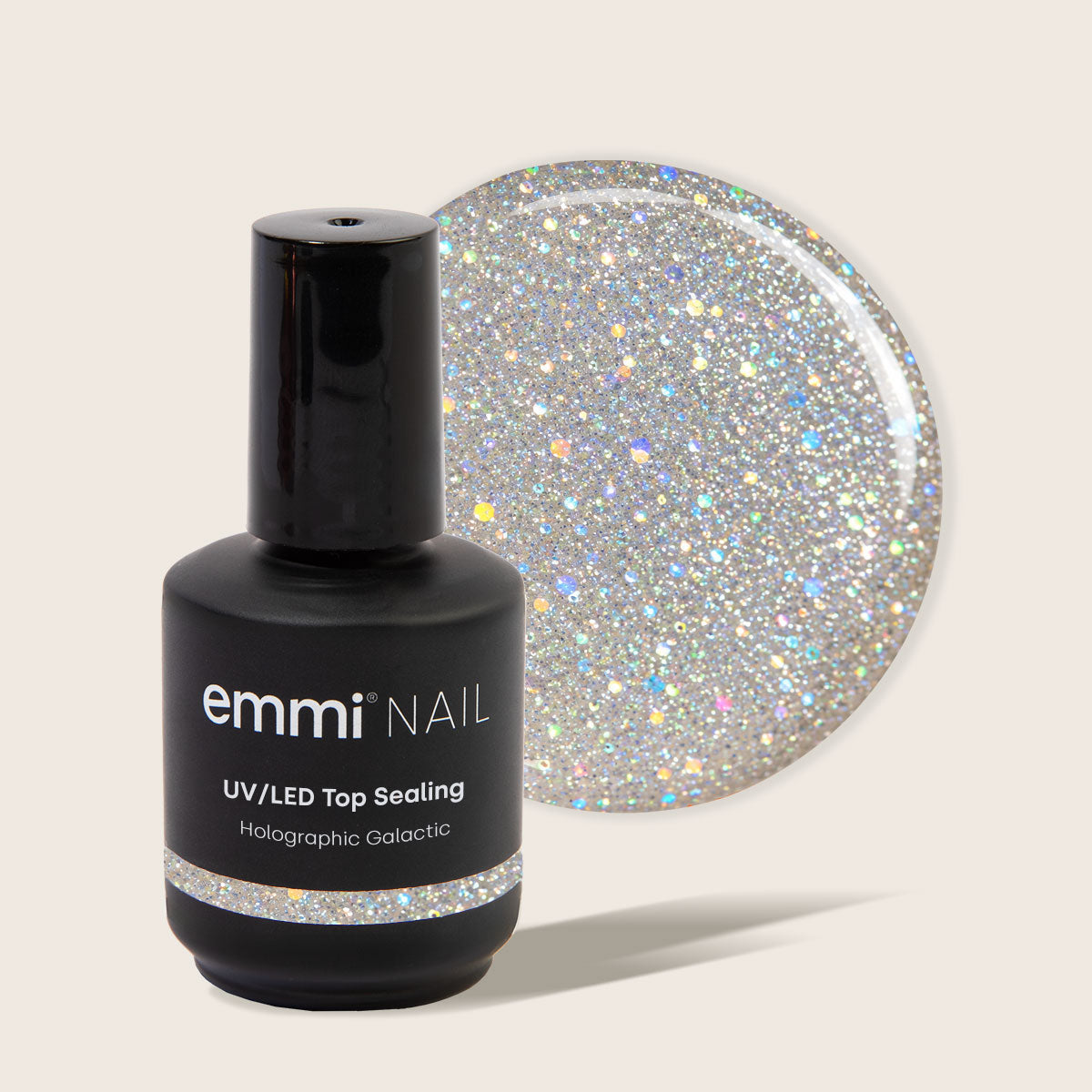
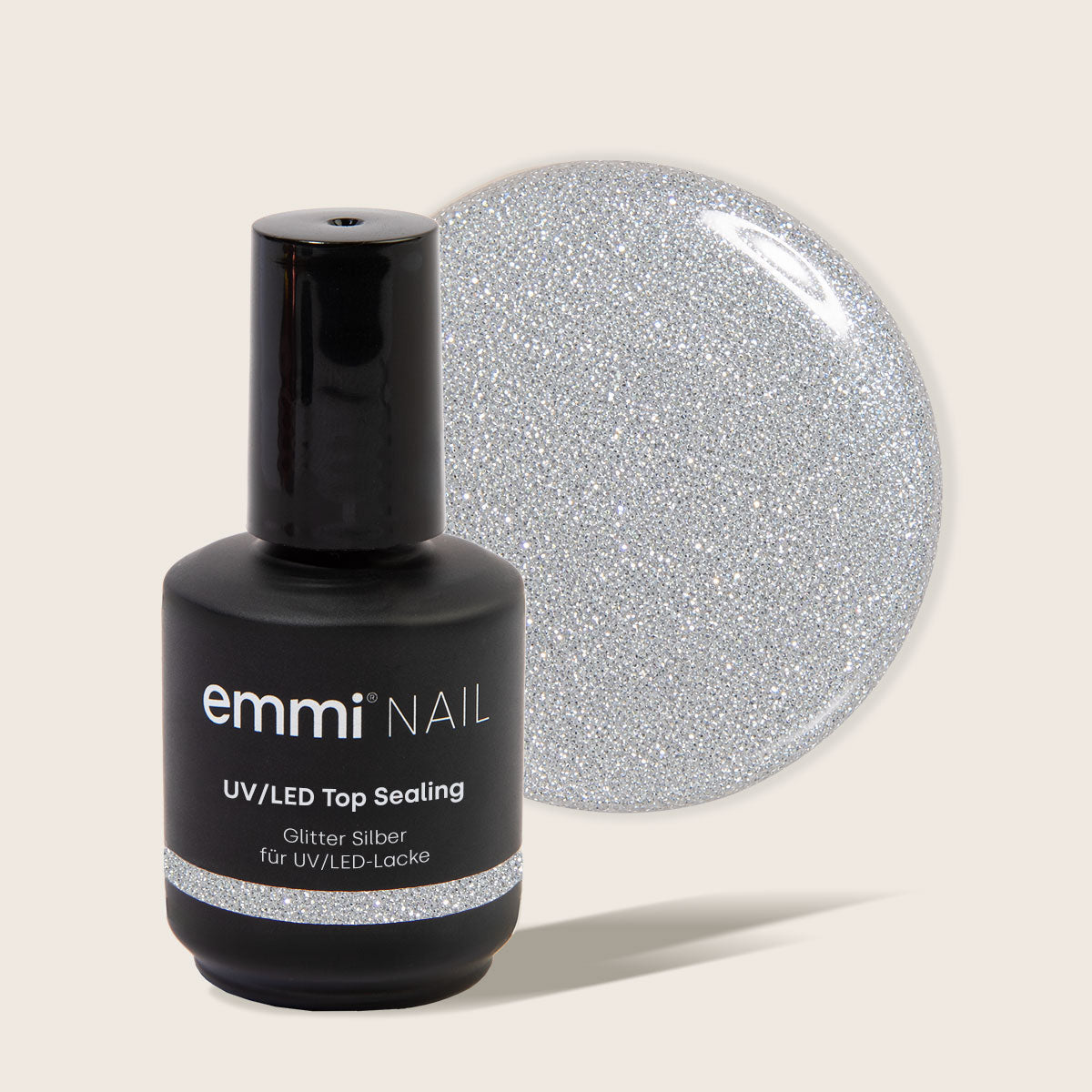
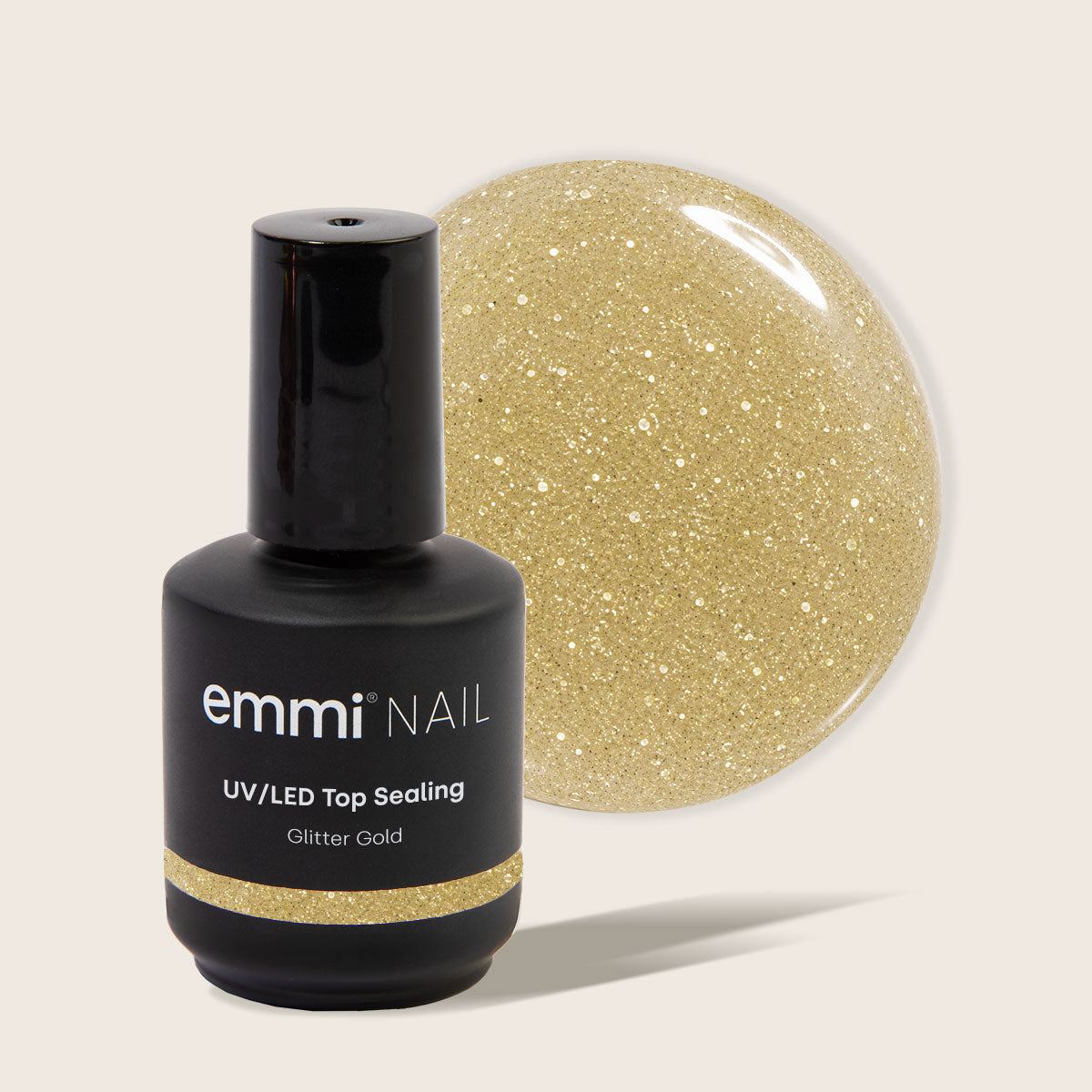
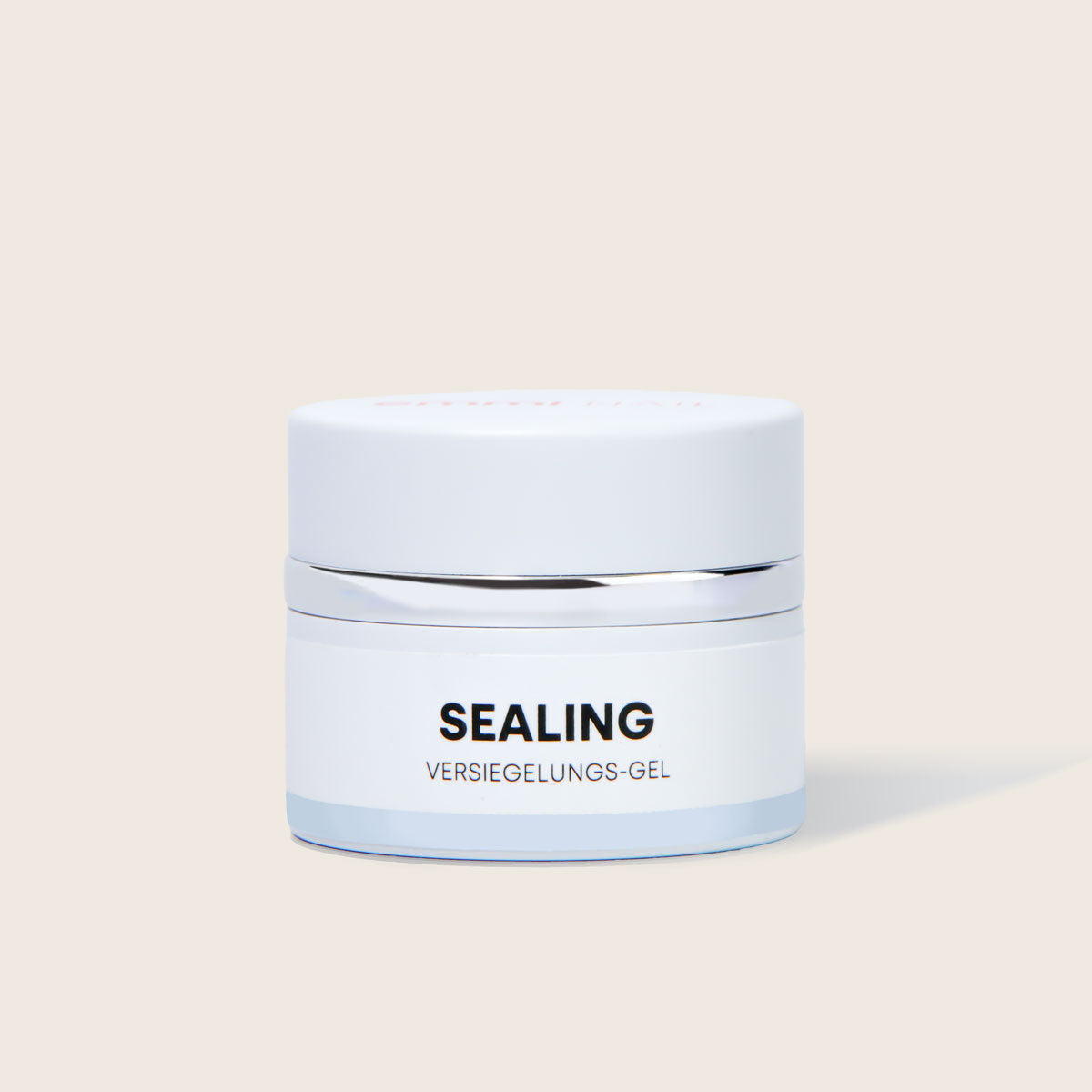
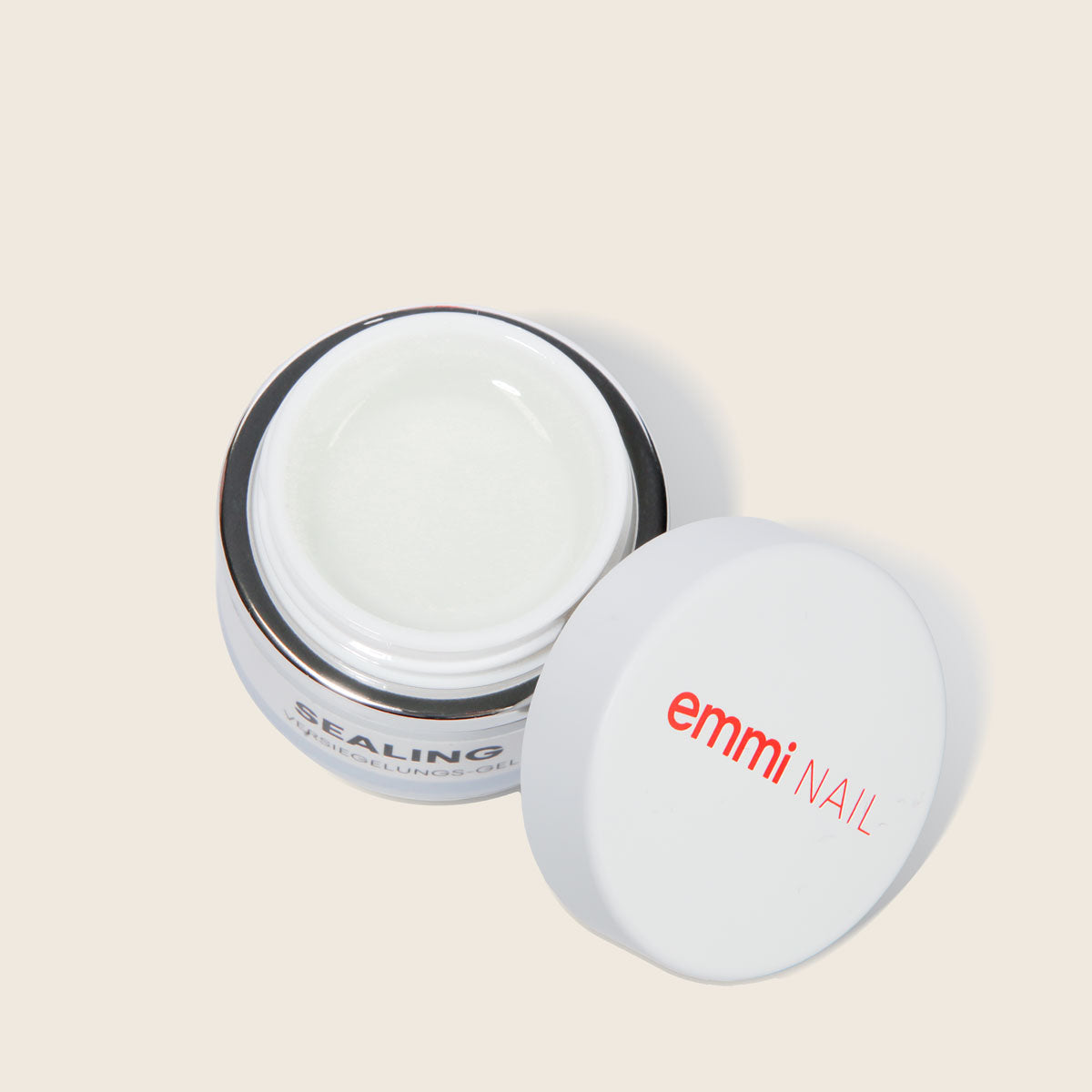
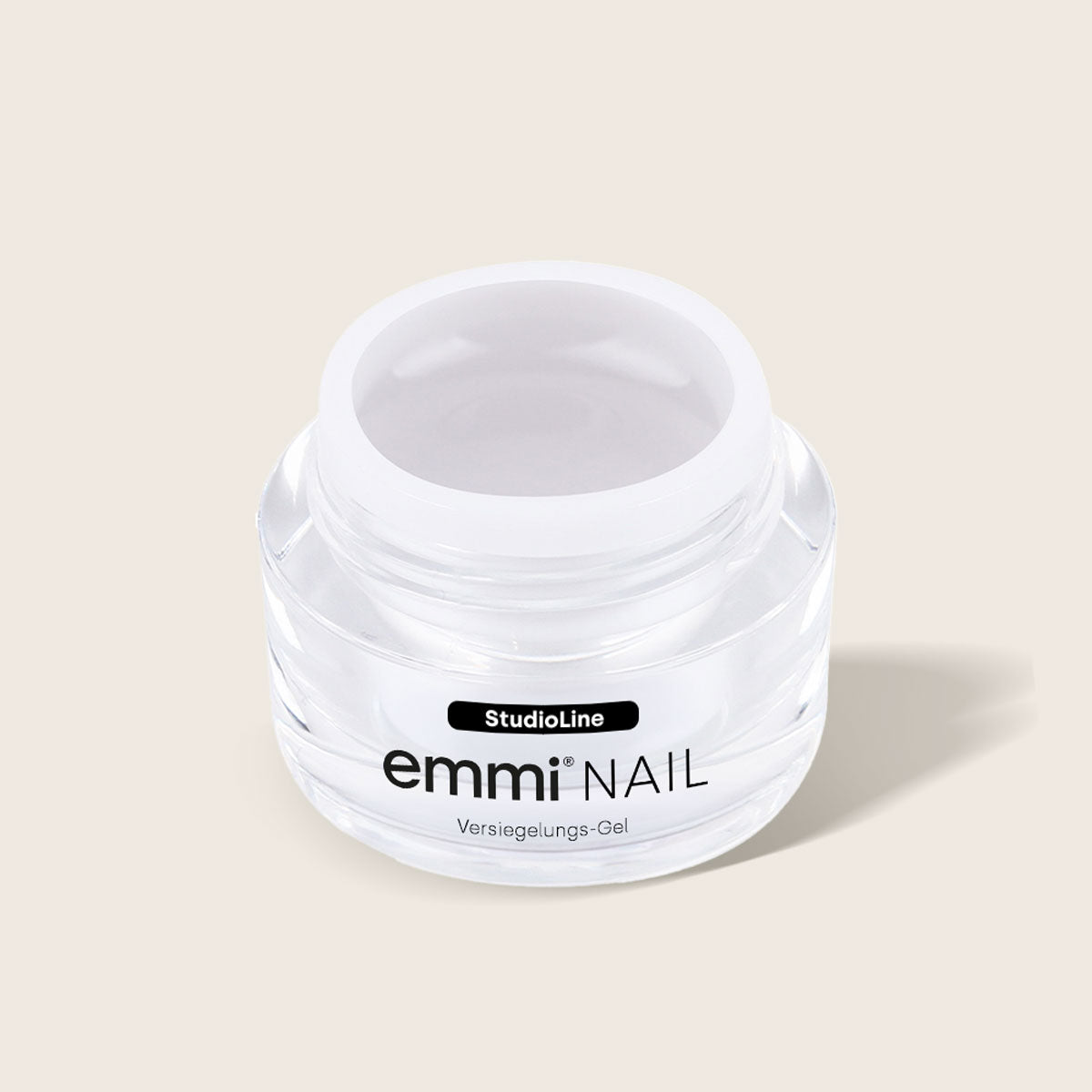
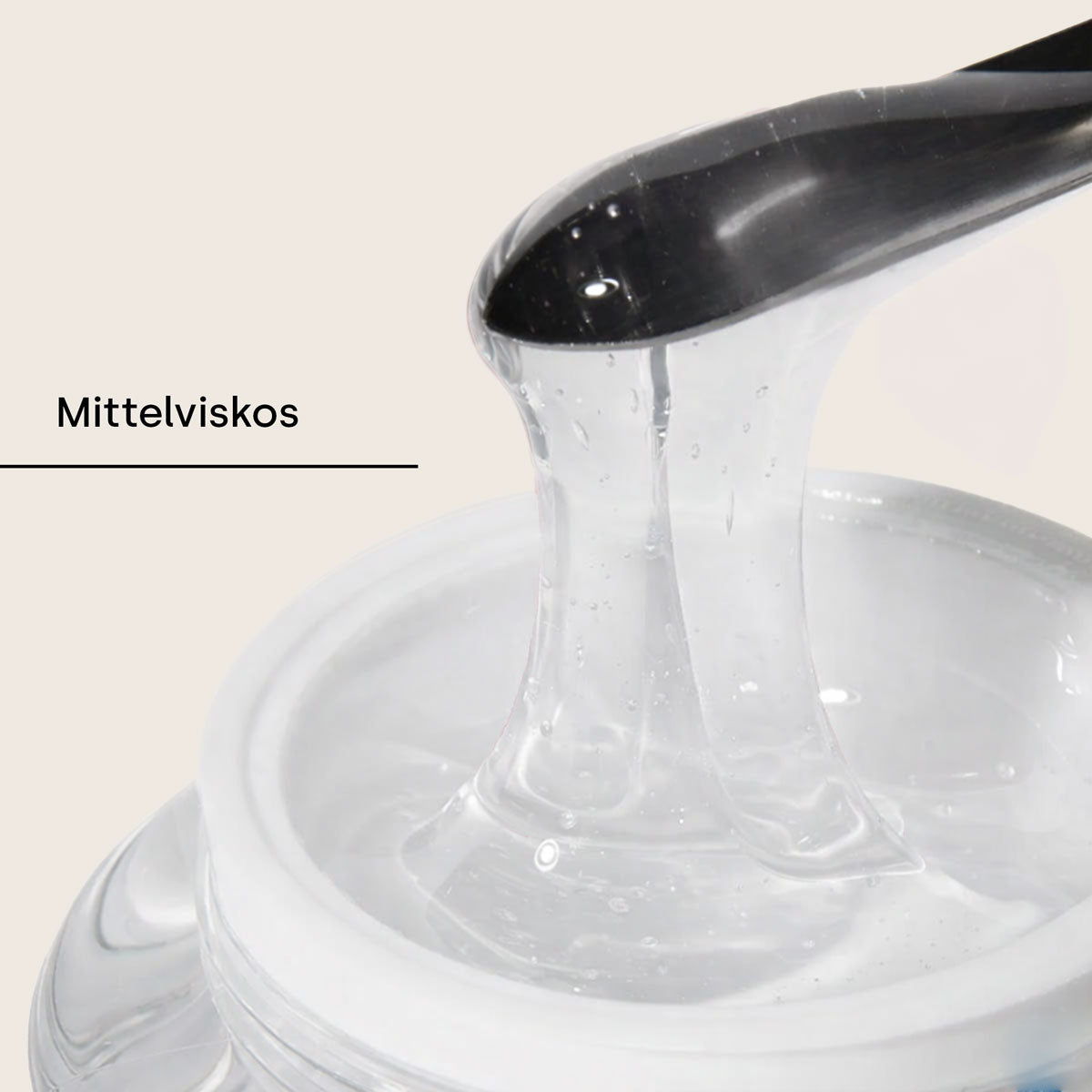
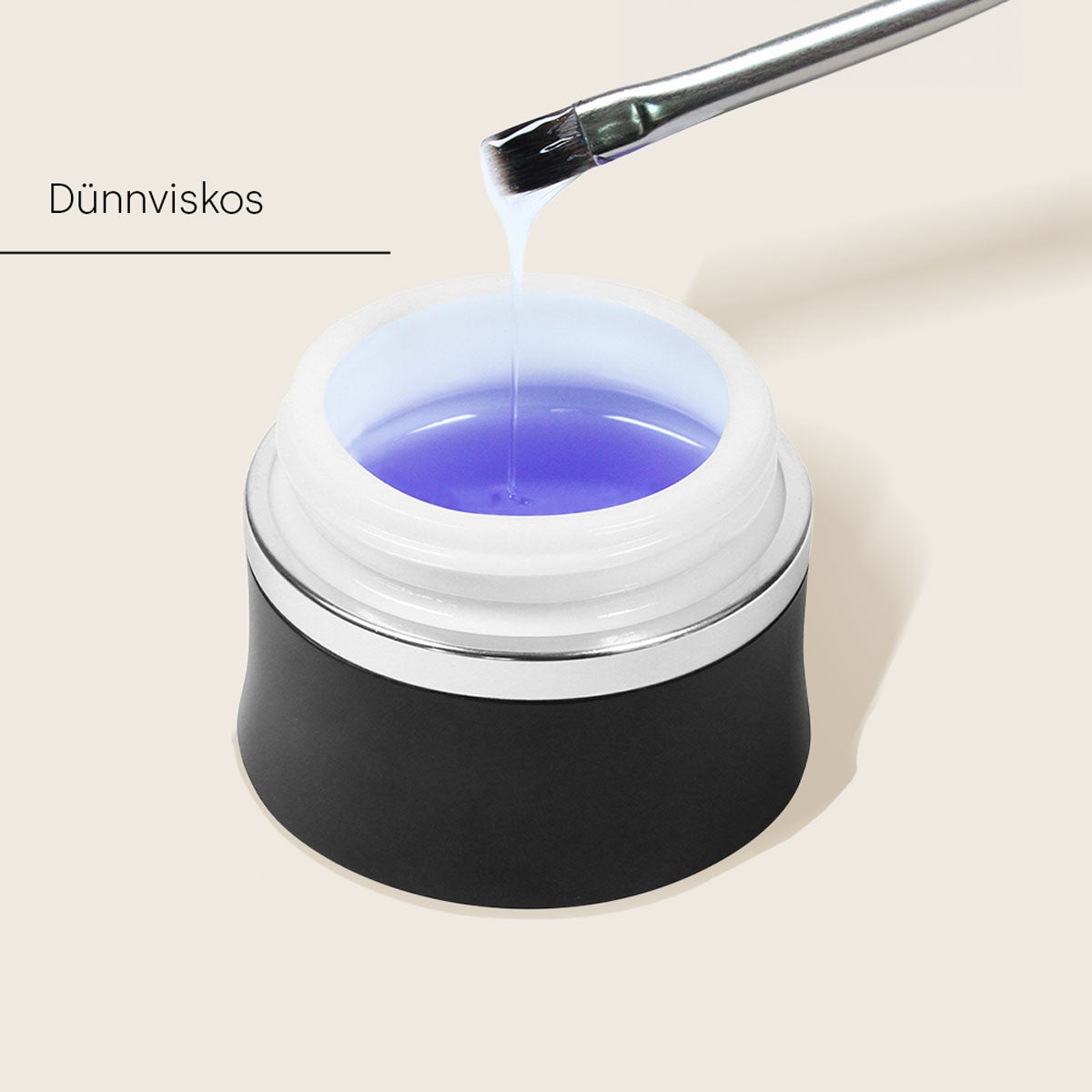
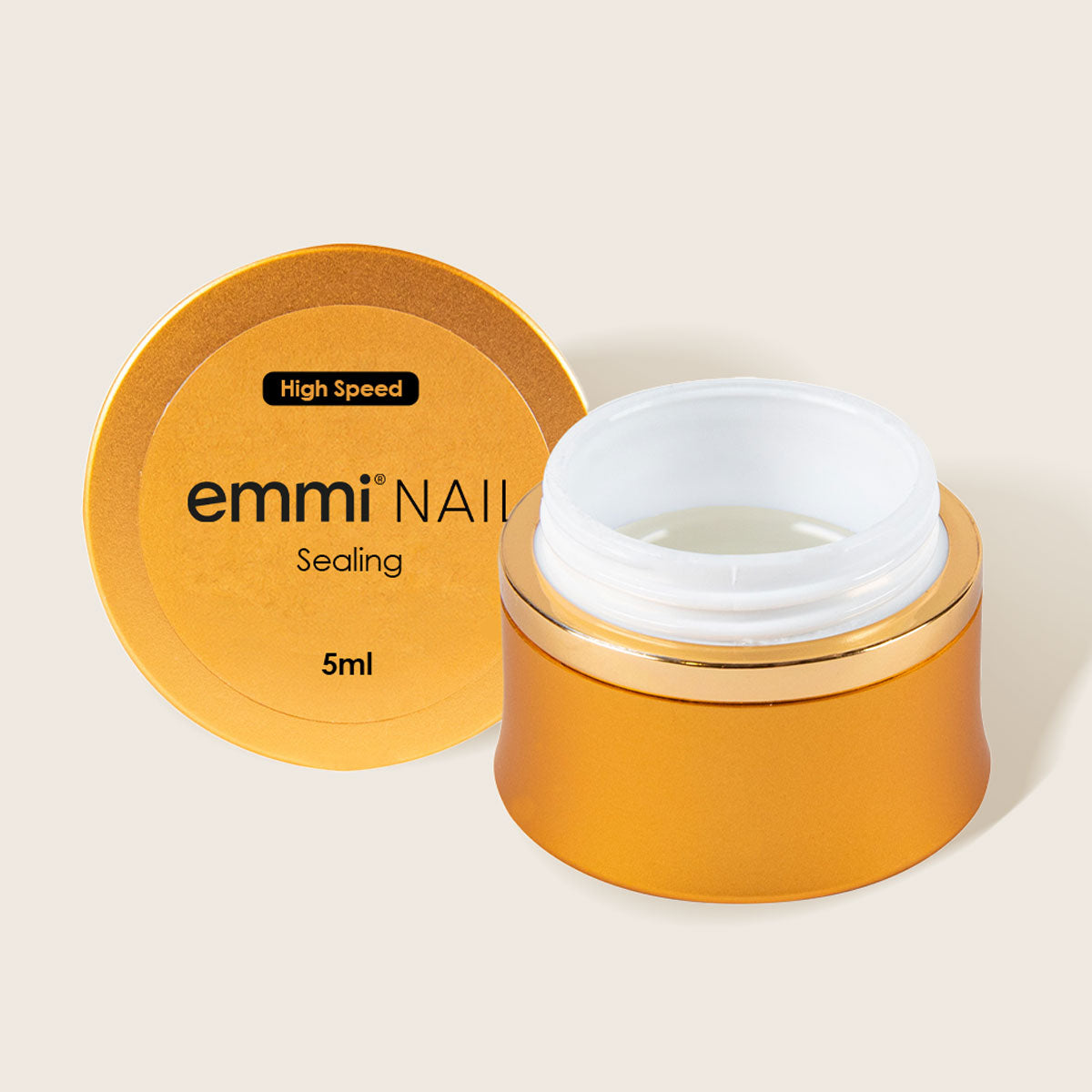
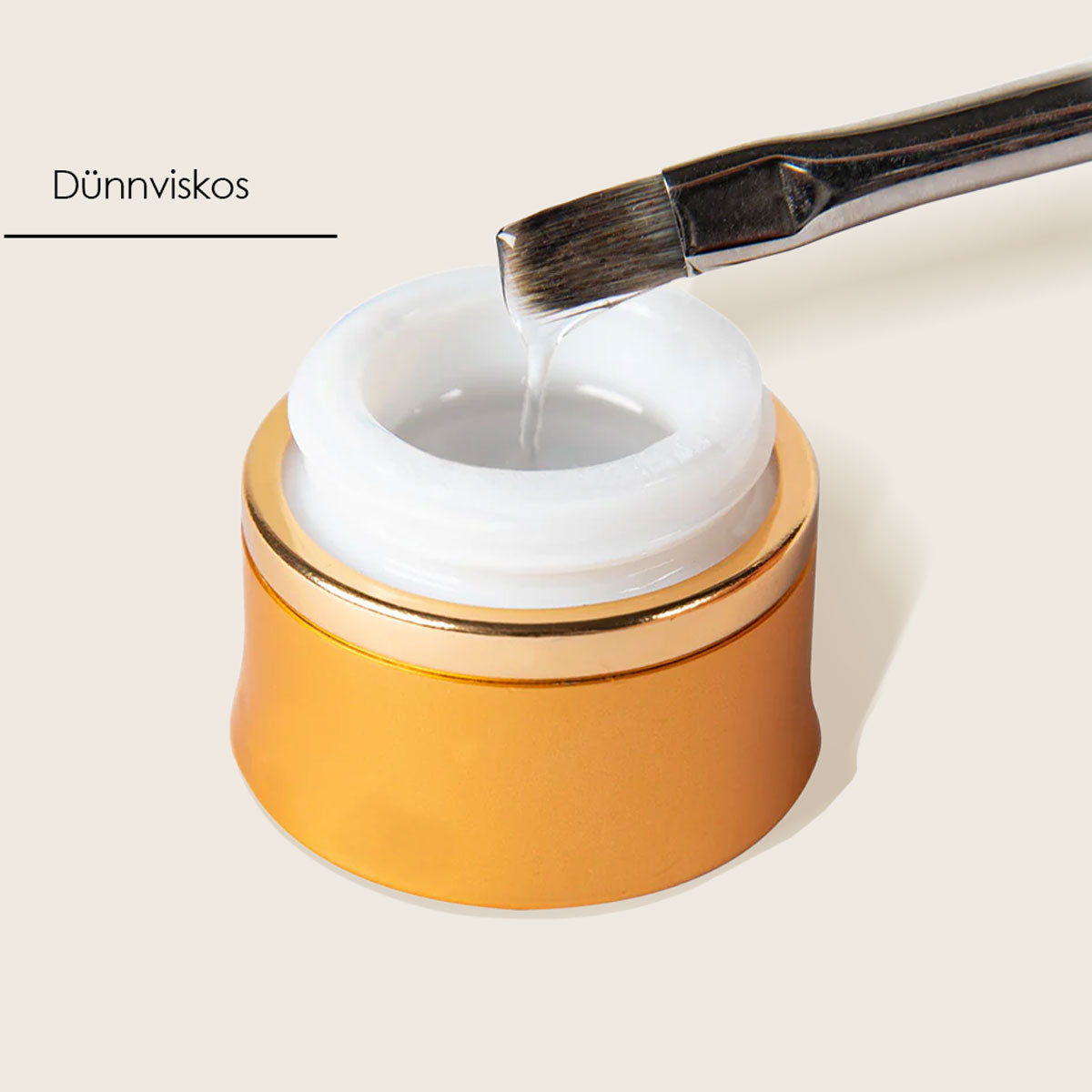
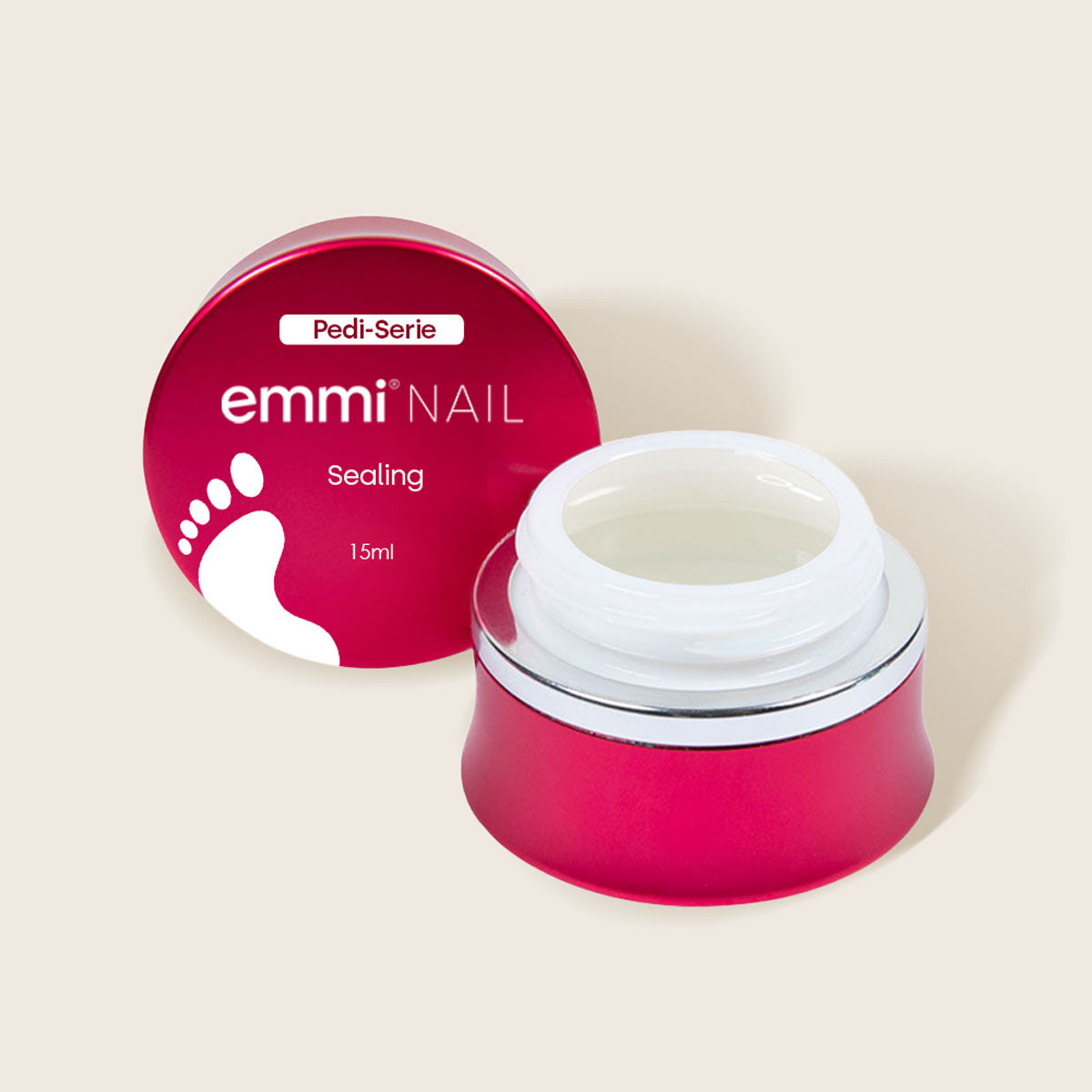
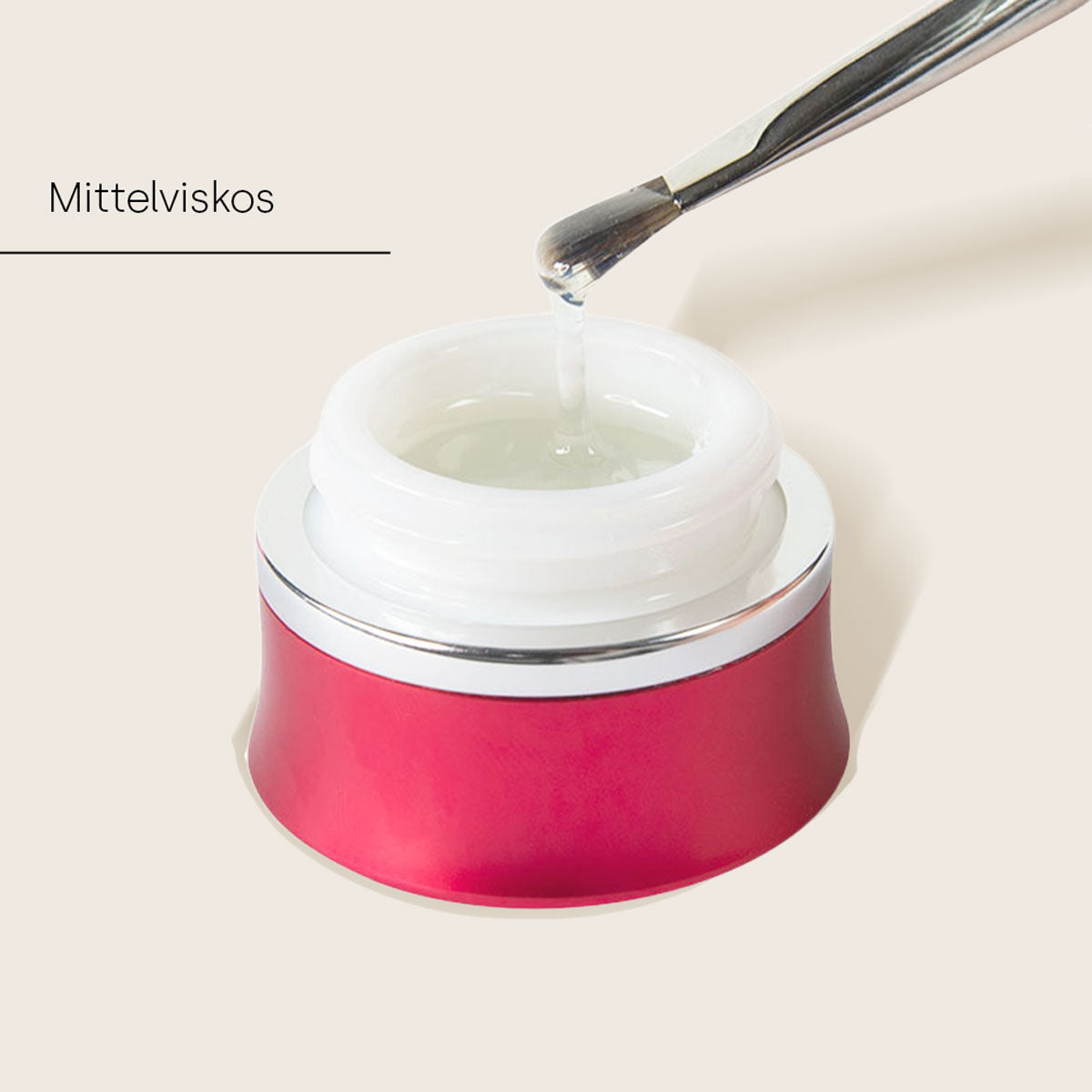
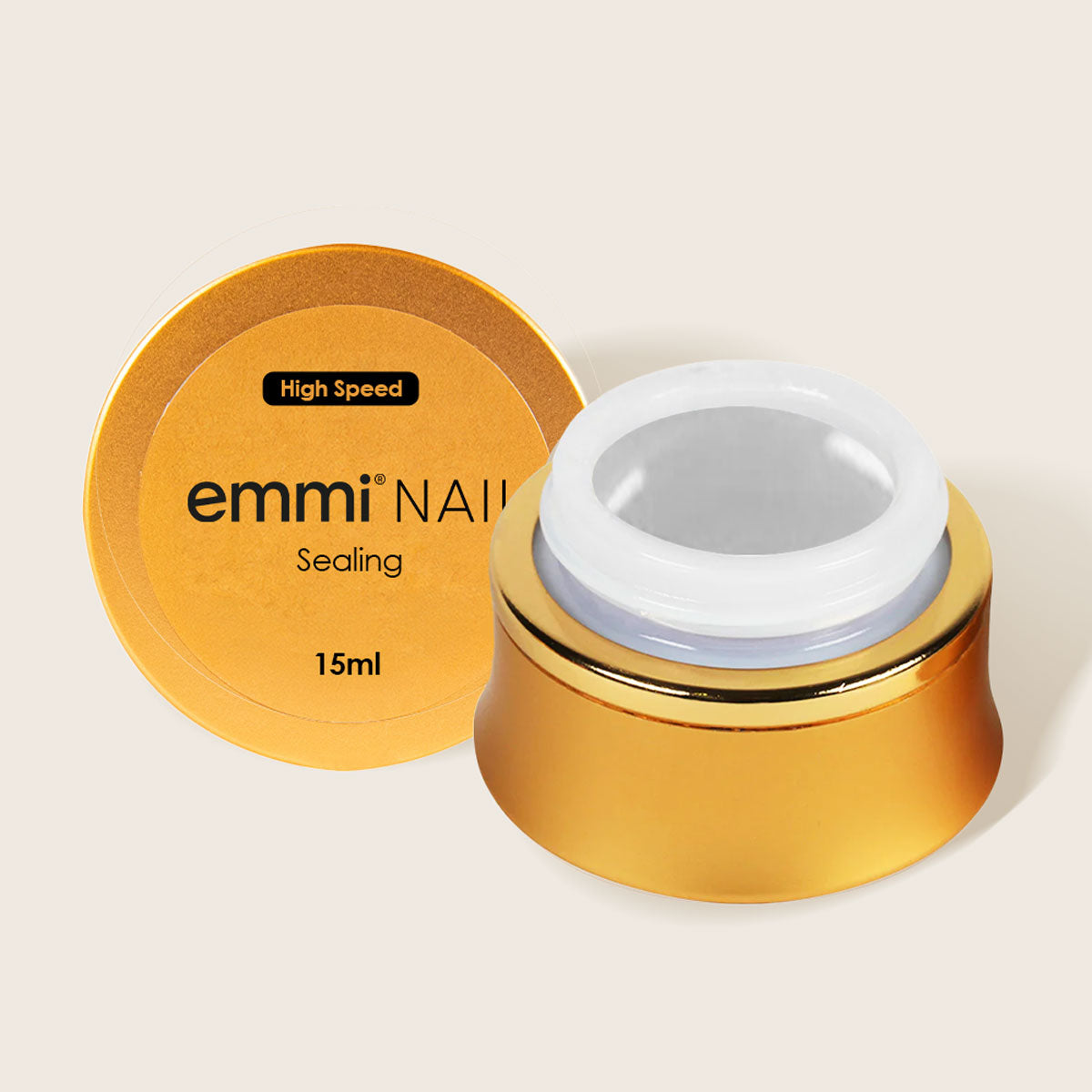
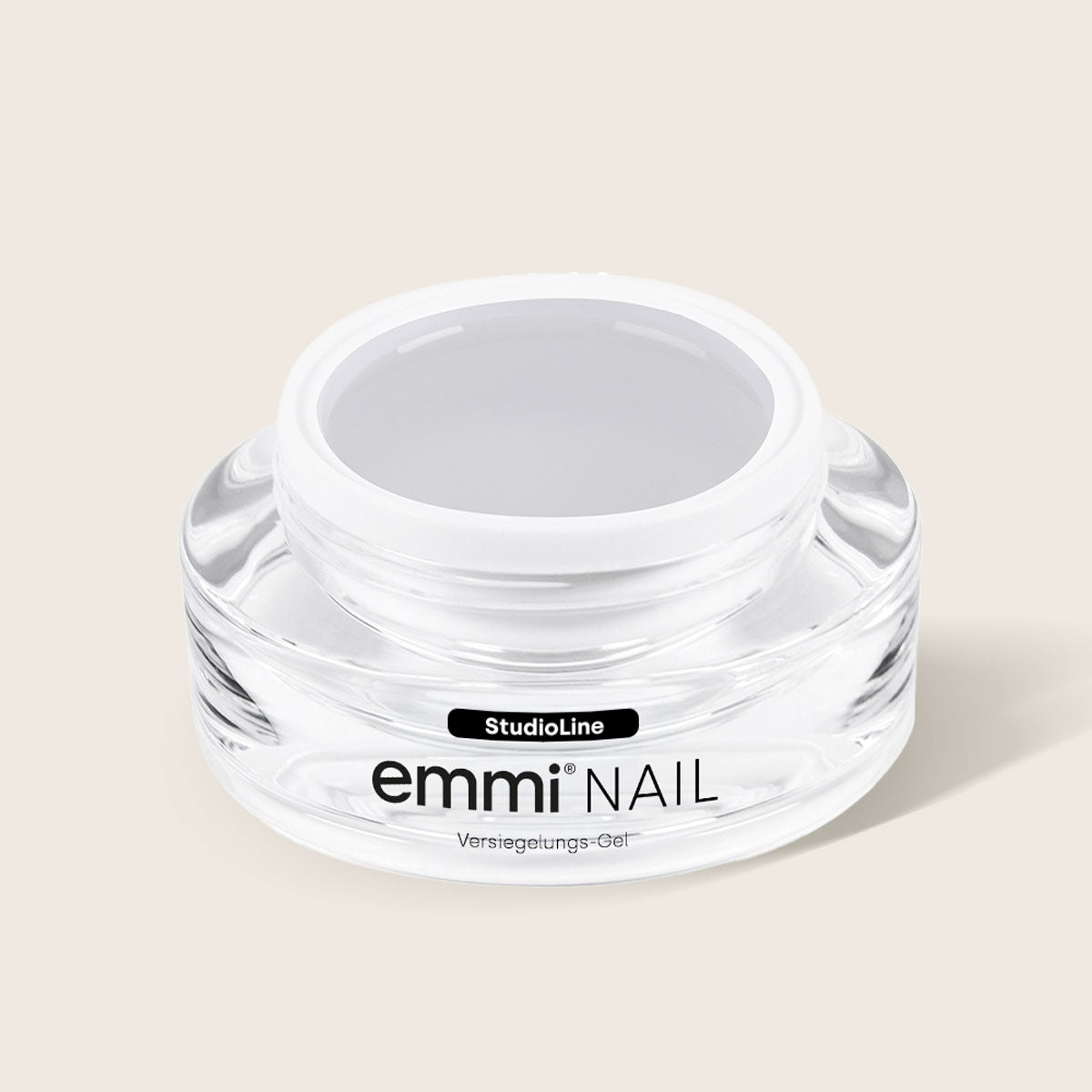
Sealing gel, also known as sealing gel or finish gel, forms the final layer of a gel nail enhancement. It is applied after building, color, or nail art and cured under UV/LED light. The seal protects the underlying enhancement layers and determines the finish – for example, high-gloss, matte, milky, or with an effect. Depending on the product, it creates a sticky layer or a directly cured no-wipe finish.






FAQ
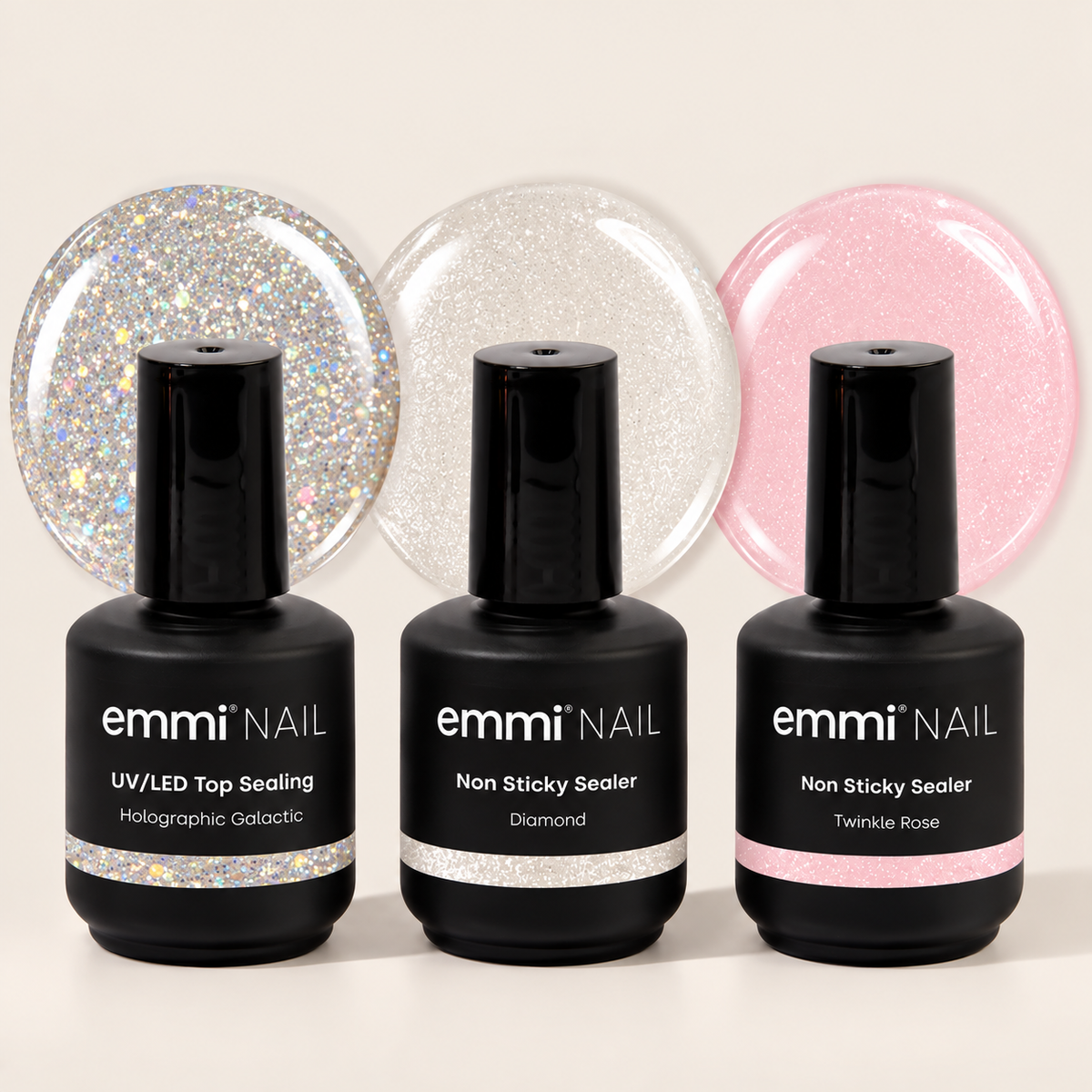
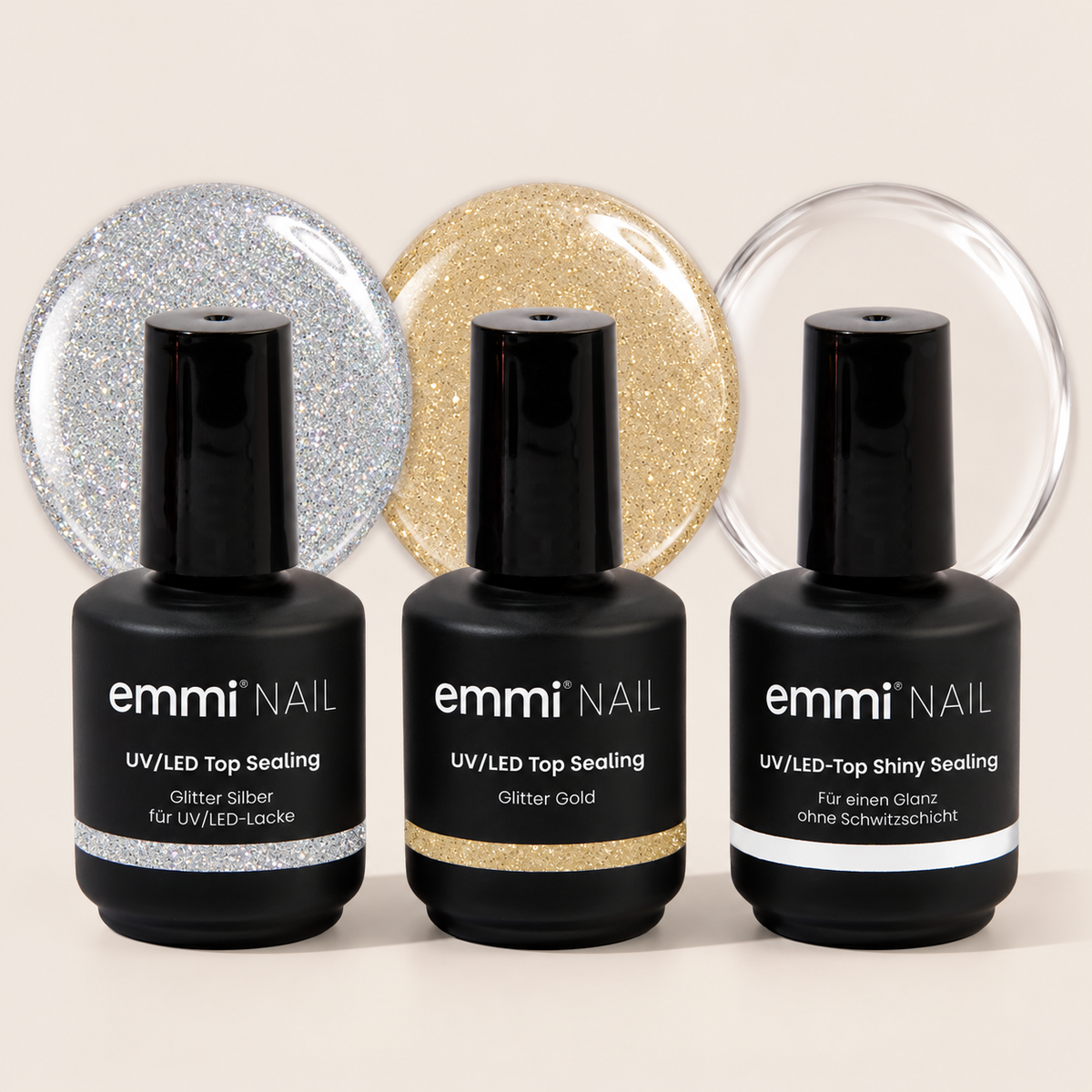
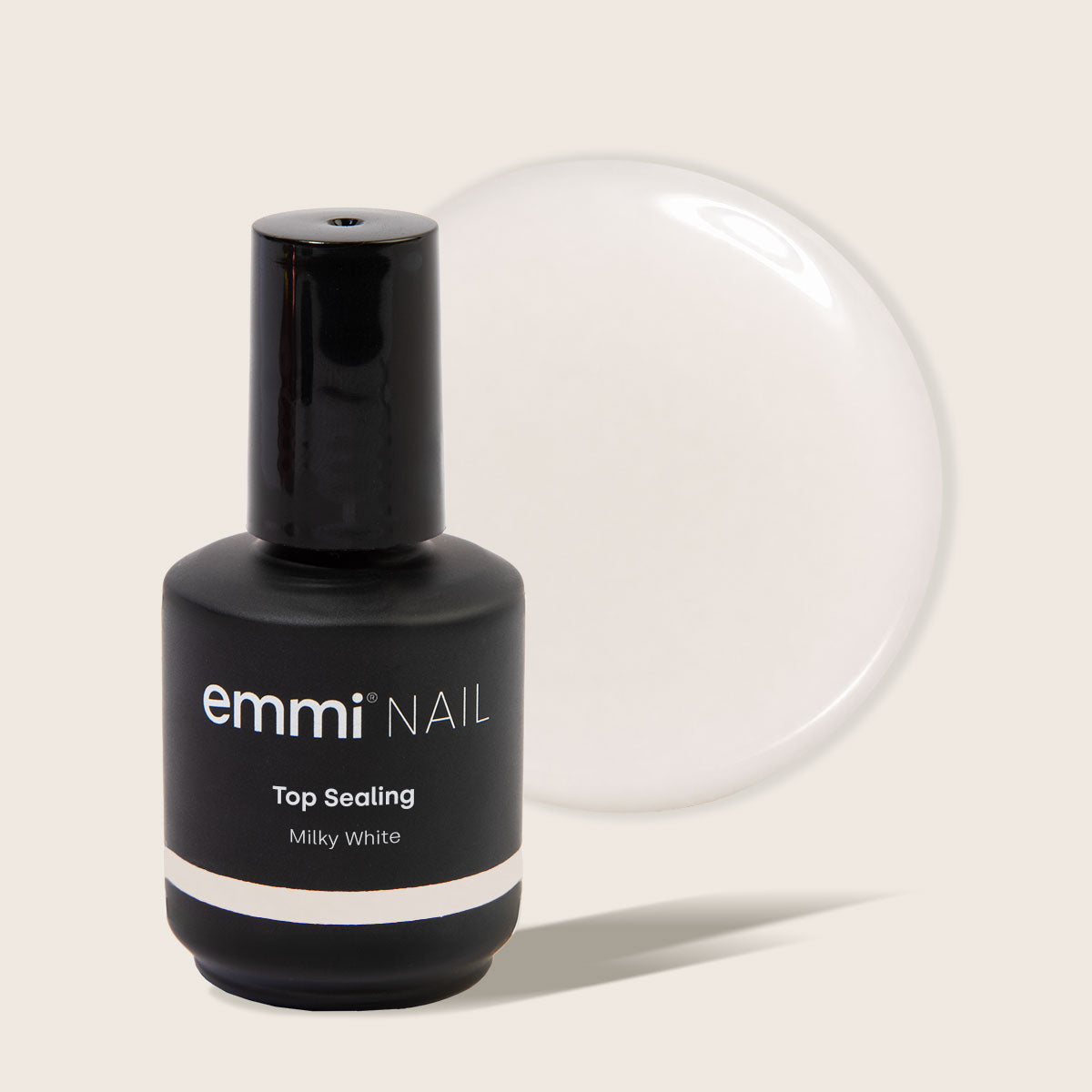
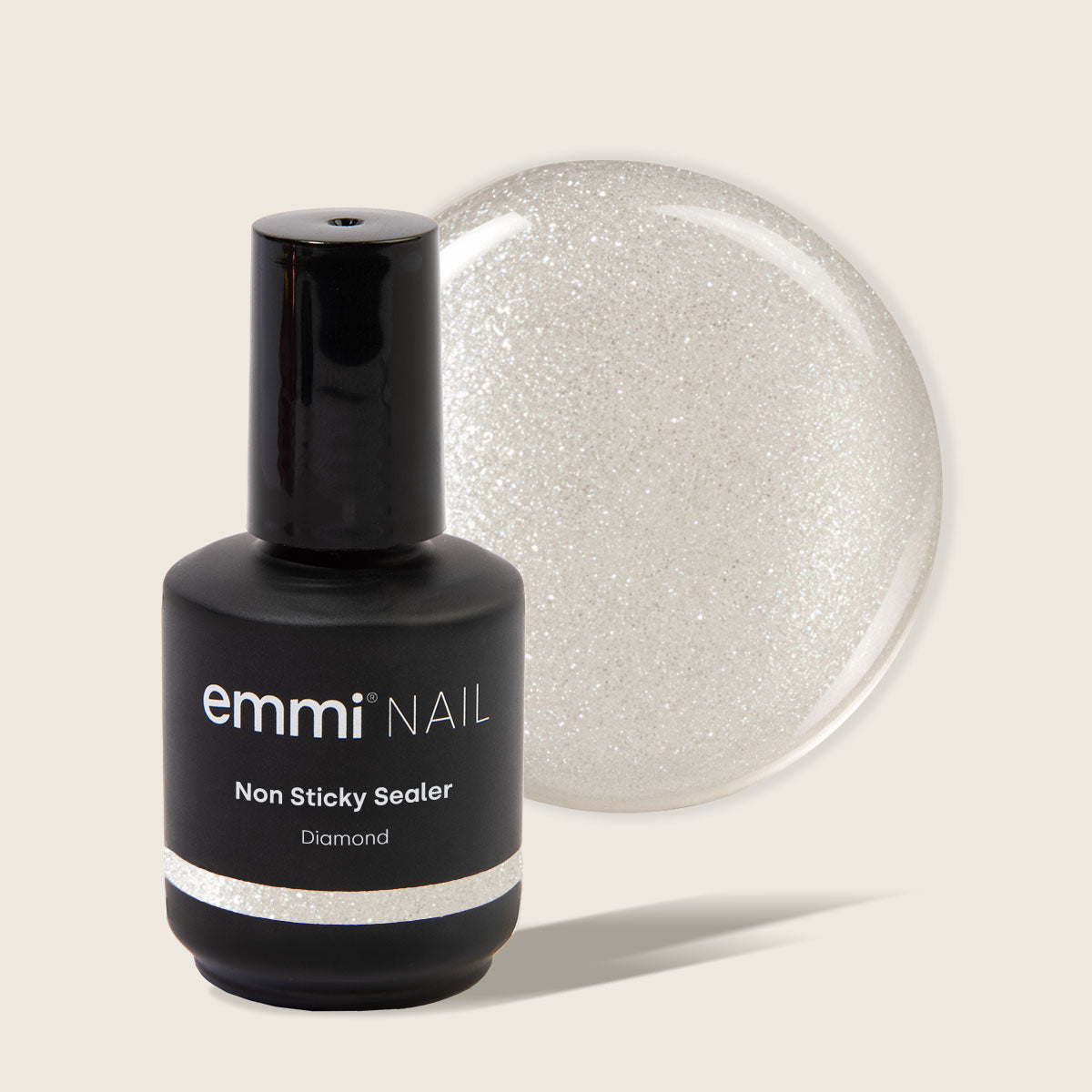
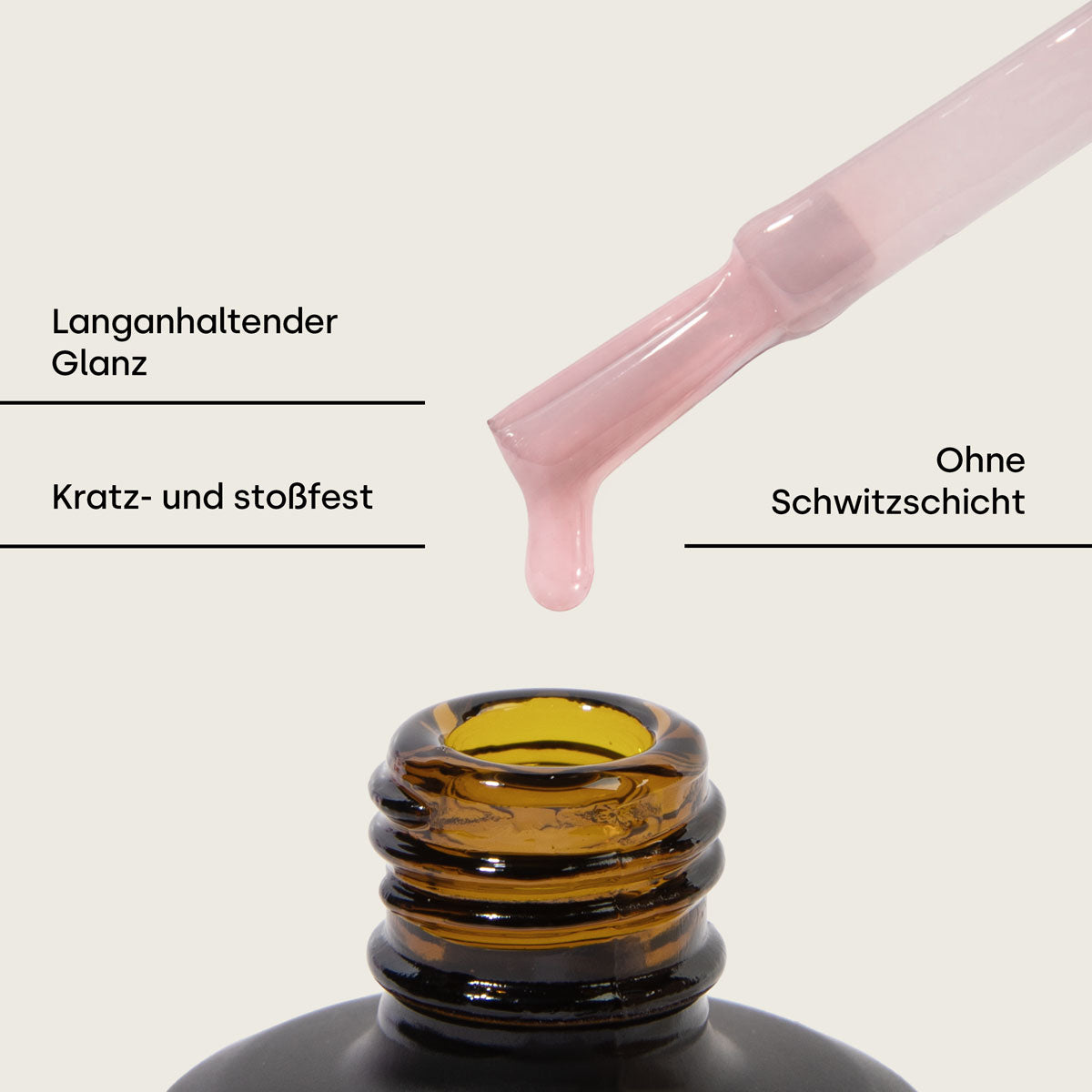
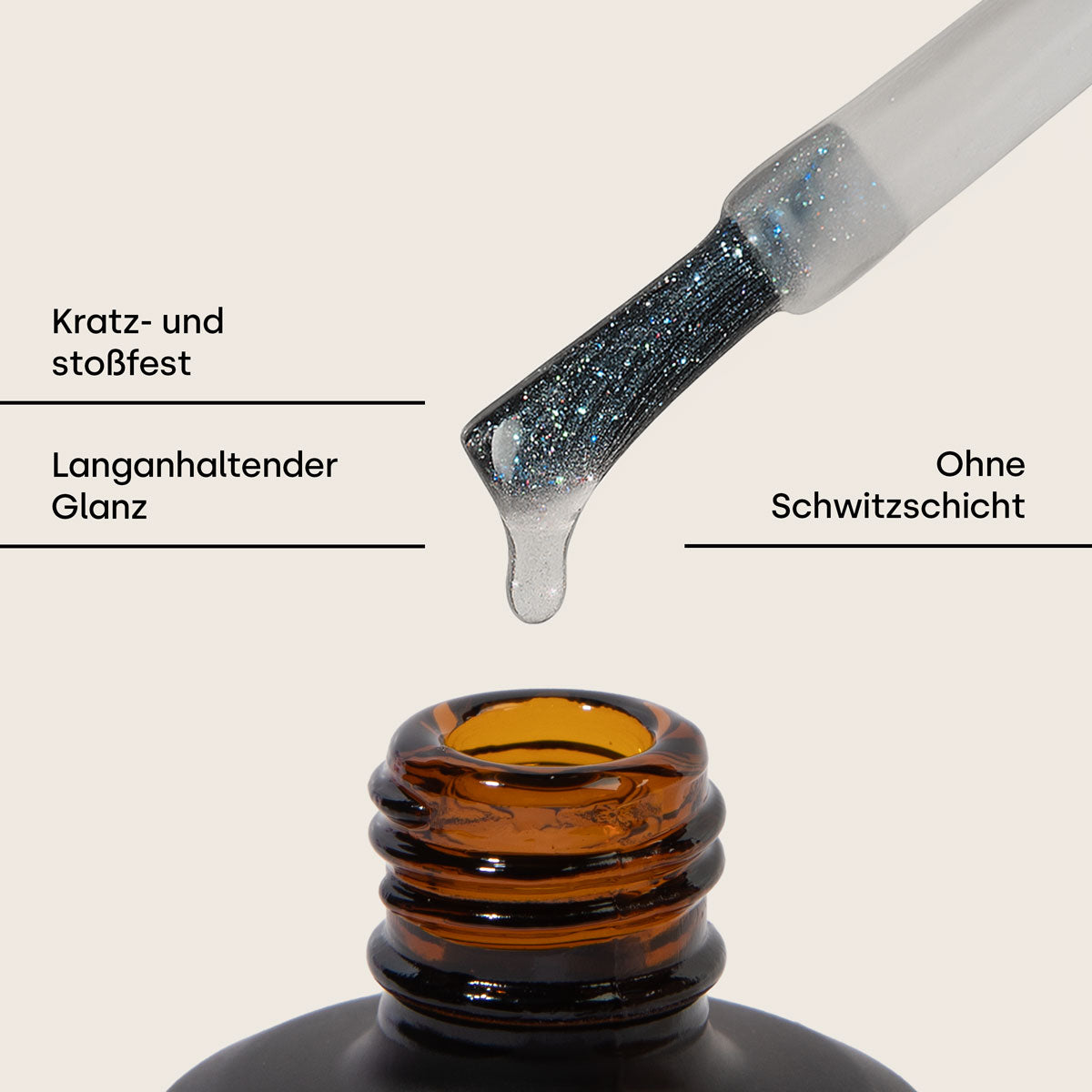
Sealing gel forms the final step of a gel manicure. It is applied over builder gel, color gel, or nail art and cured under a suitable UV/LED lamp. The top coat protects the design and provides a high-gloss, matte, milky, or glitter finish, depending on the product. emmi®NAIL offers both classic and non-sticky top coats.
Builder gel provides shape and stability, while sealing gel completes the sculpting process. Builder gel is used to sculpt the nail architecture. In contrast, sealing gel is applied as the final layer of gel to protect the underlying layers or nail design.
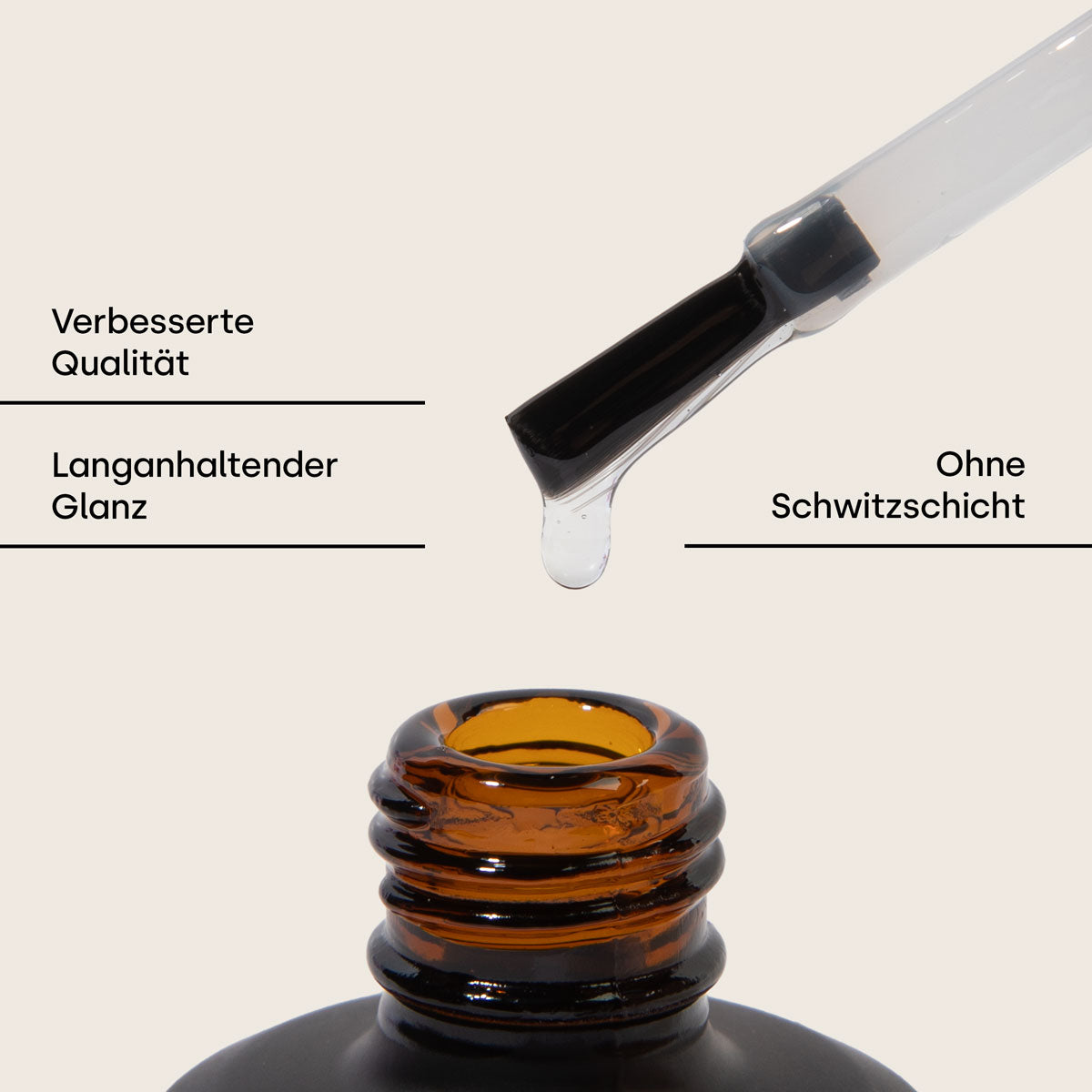
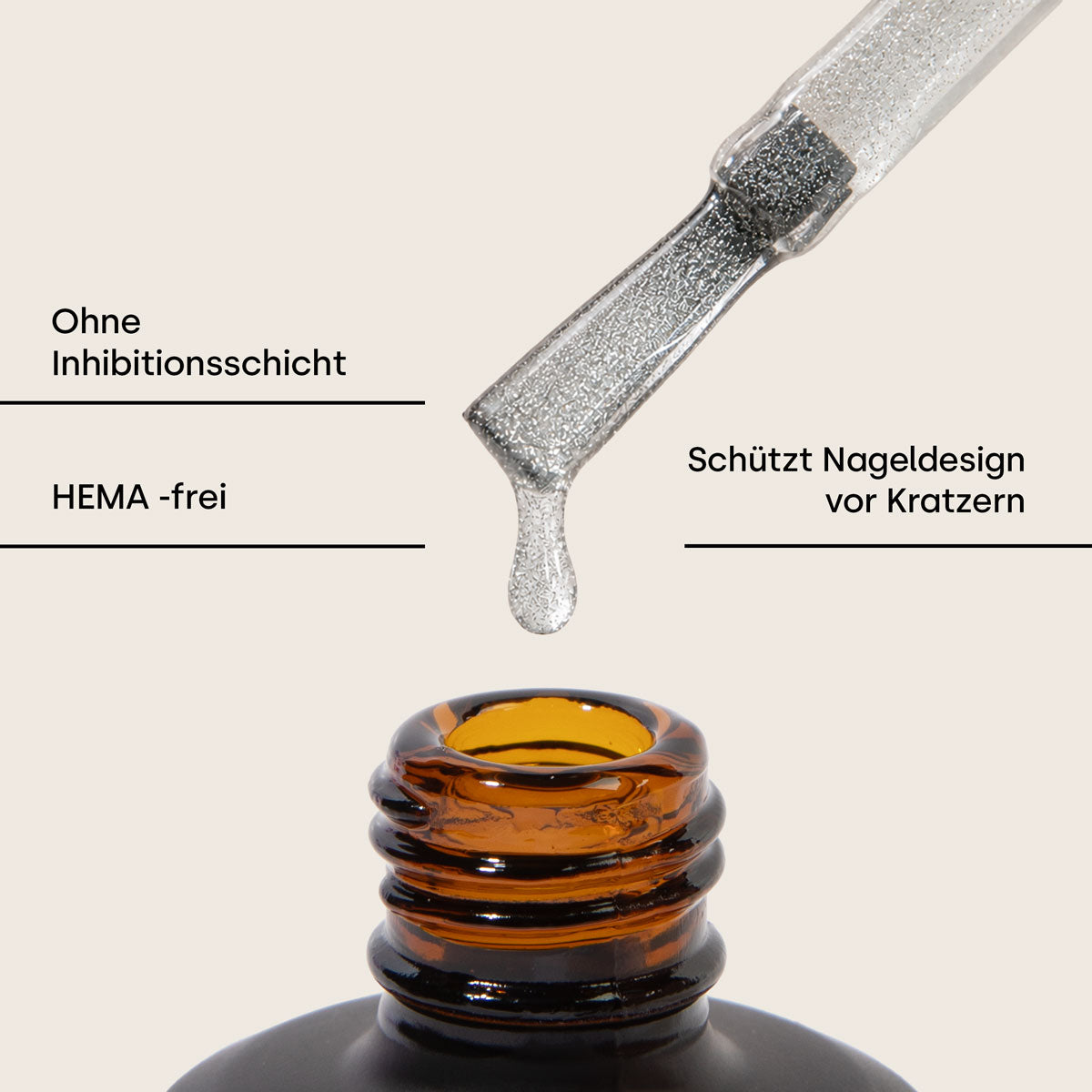
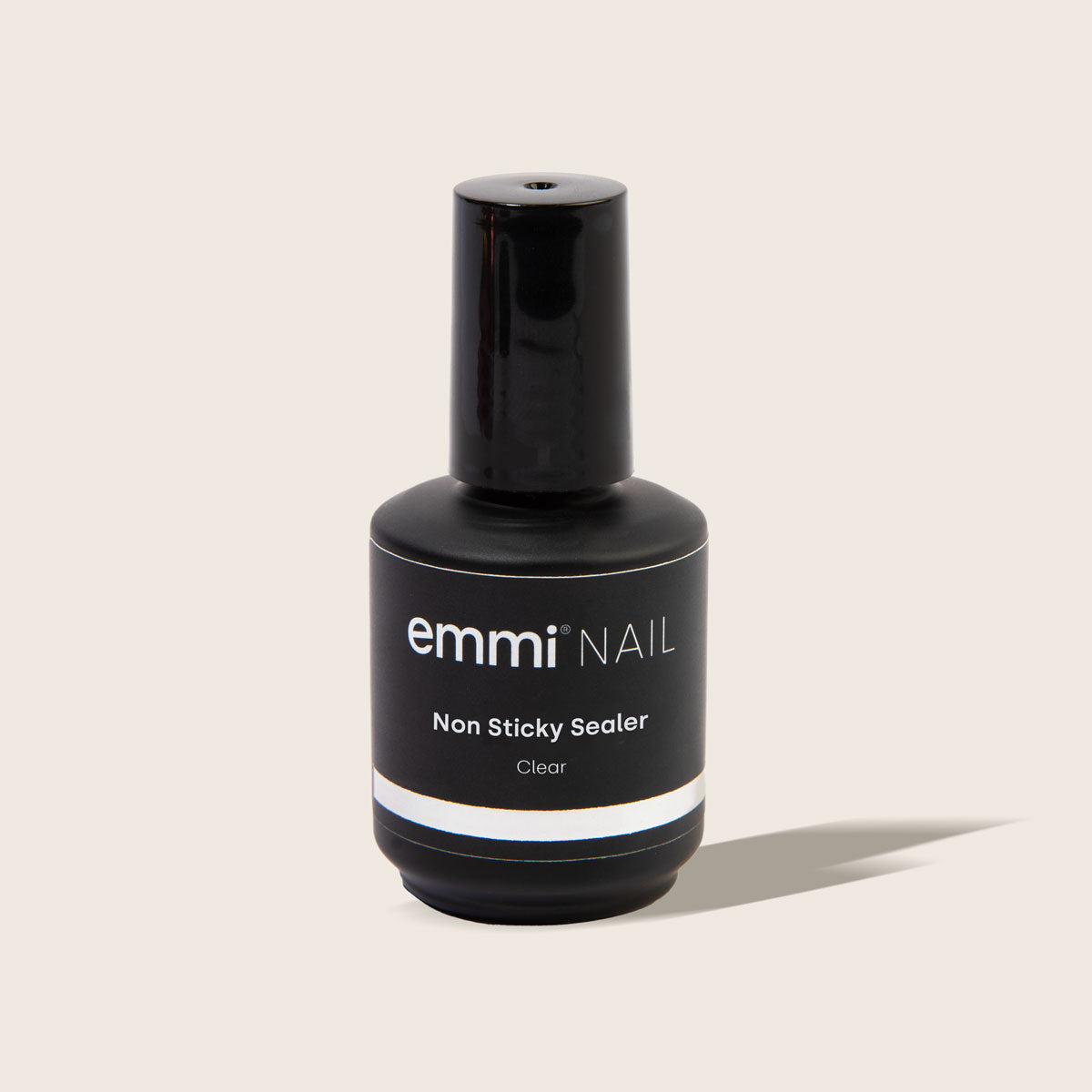
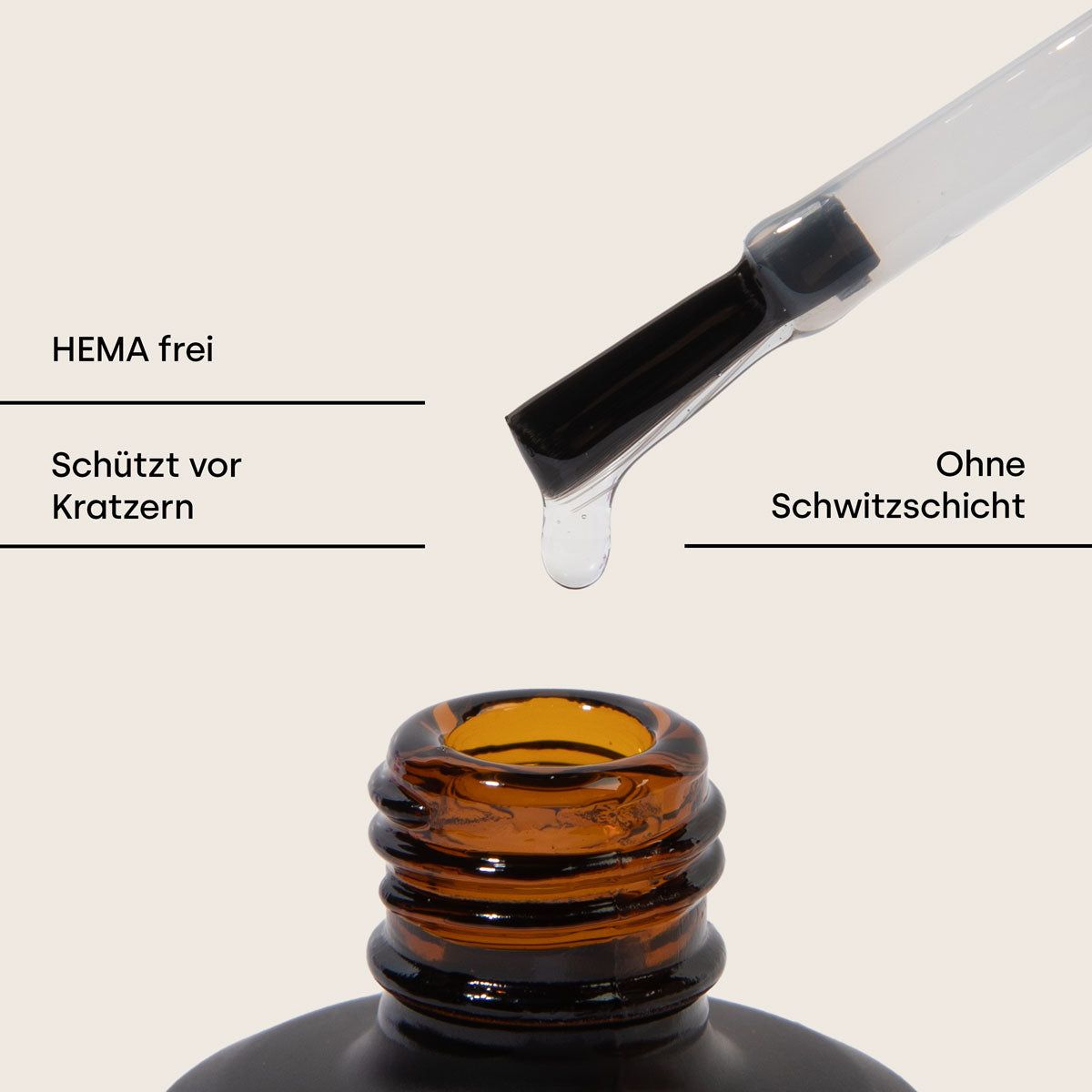
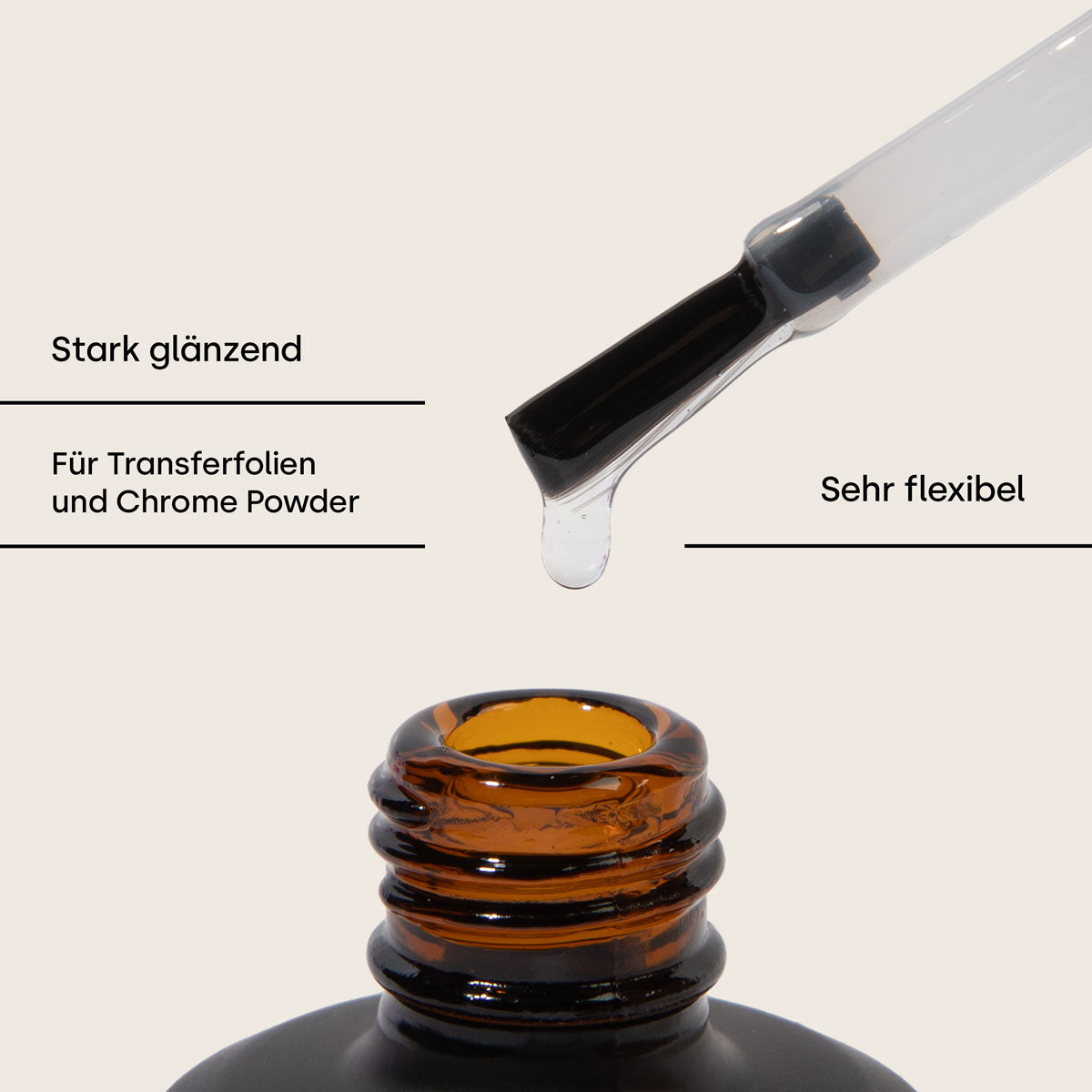
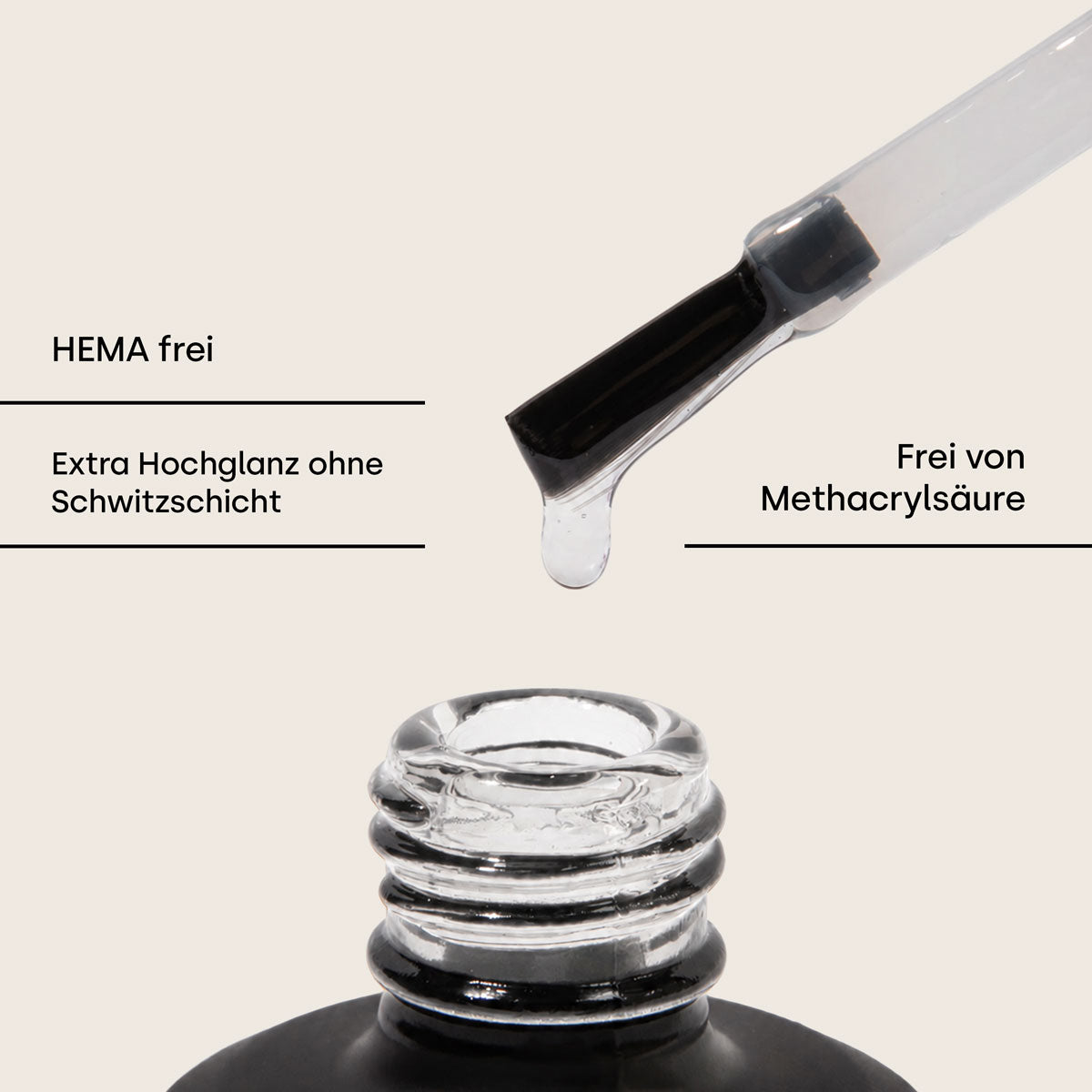
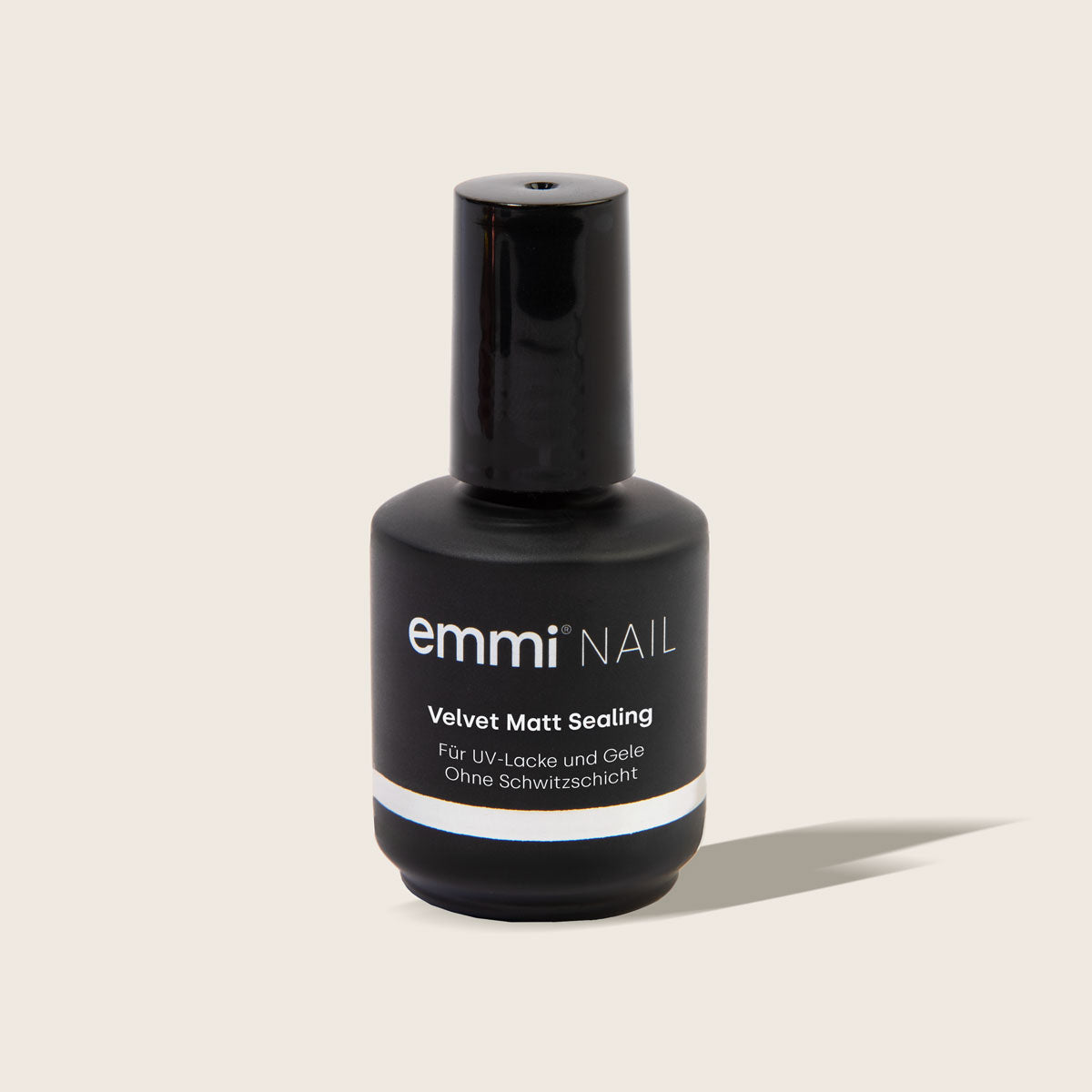
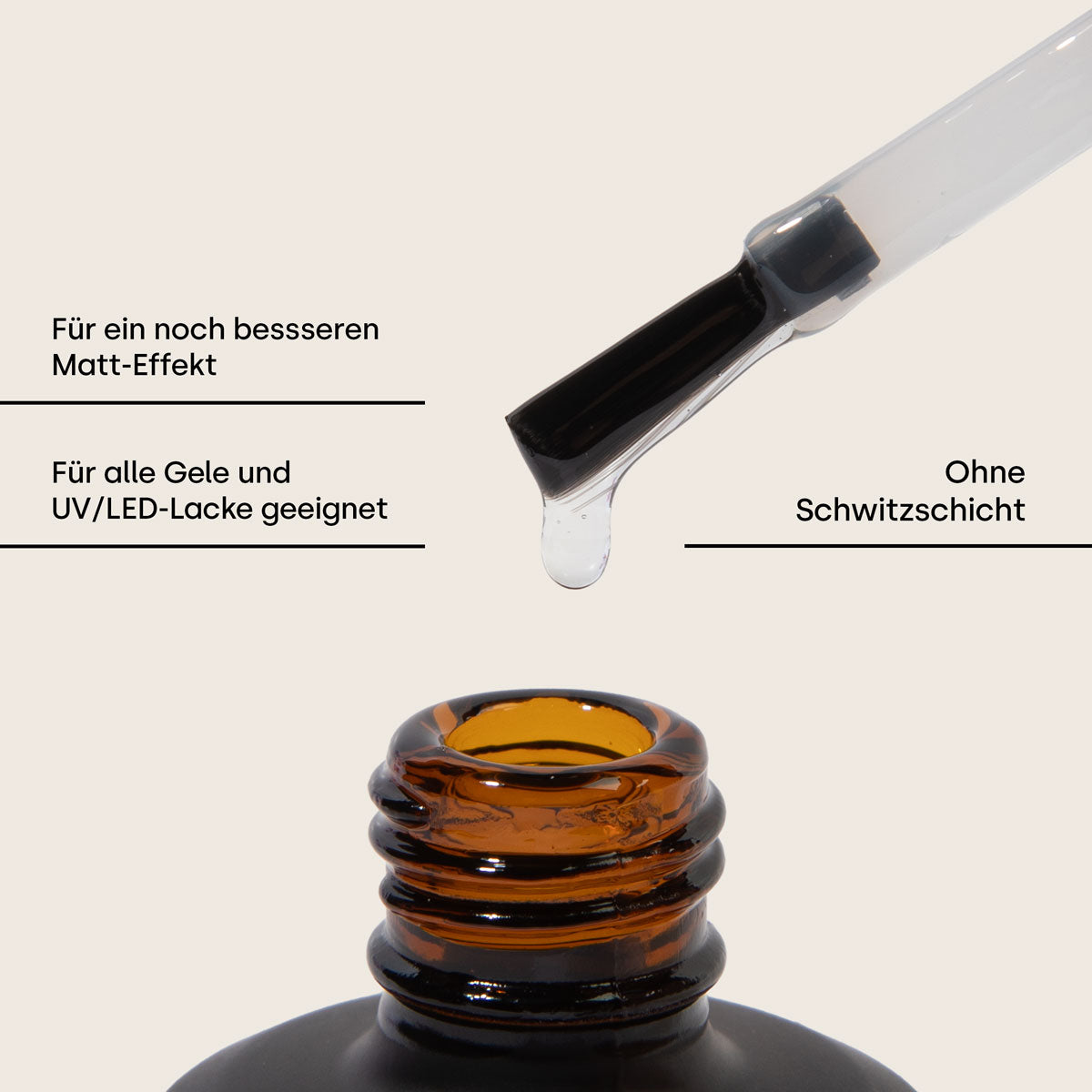
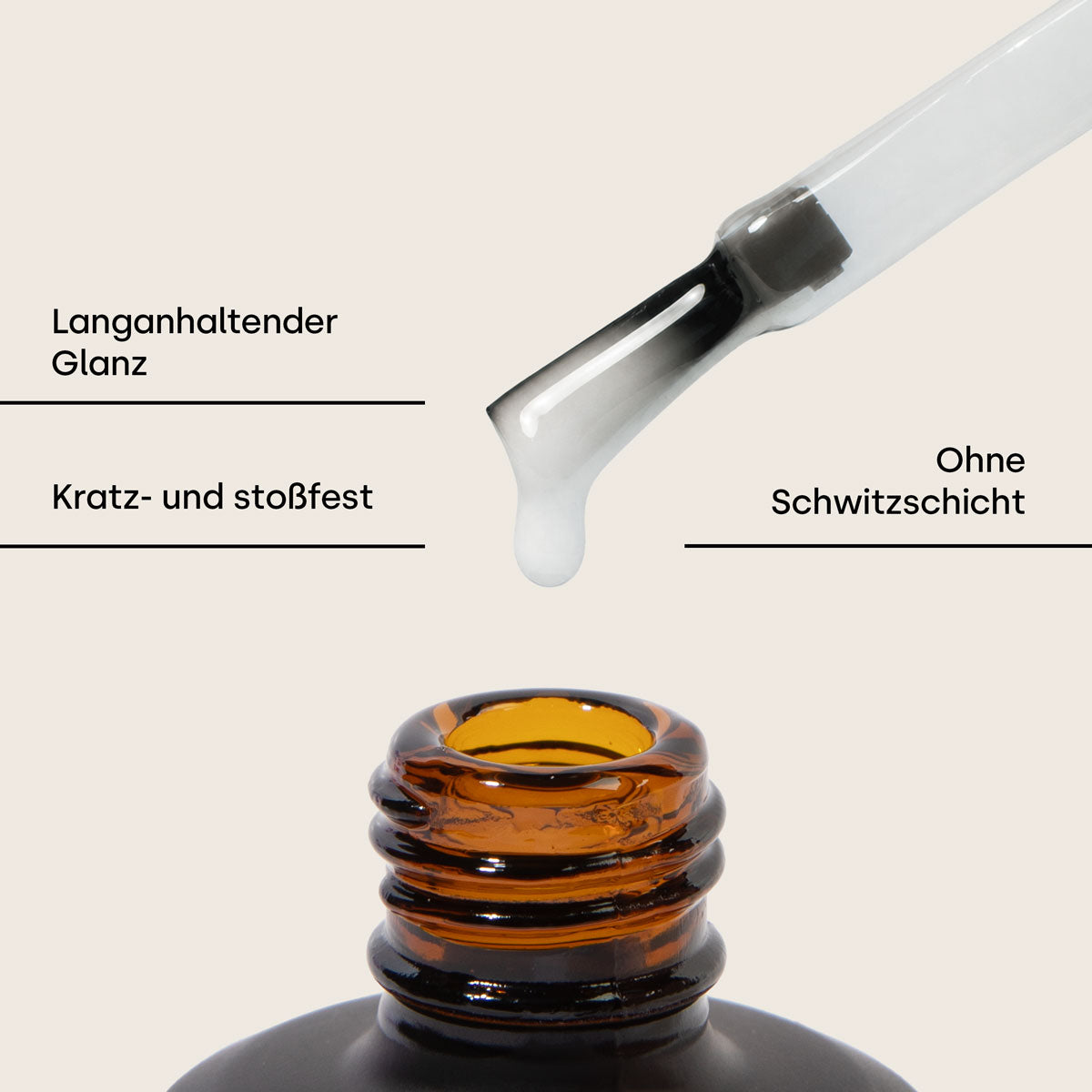
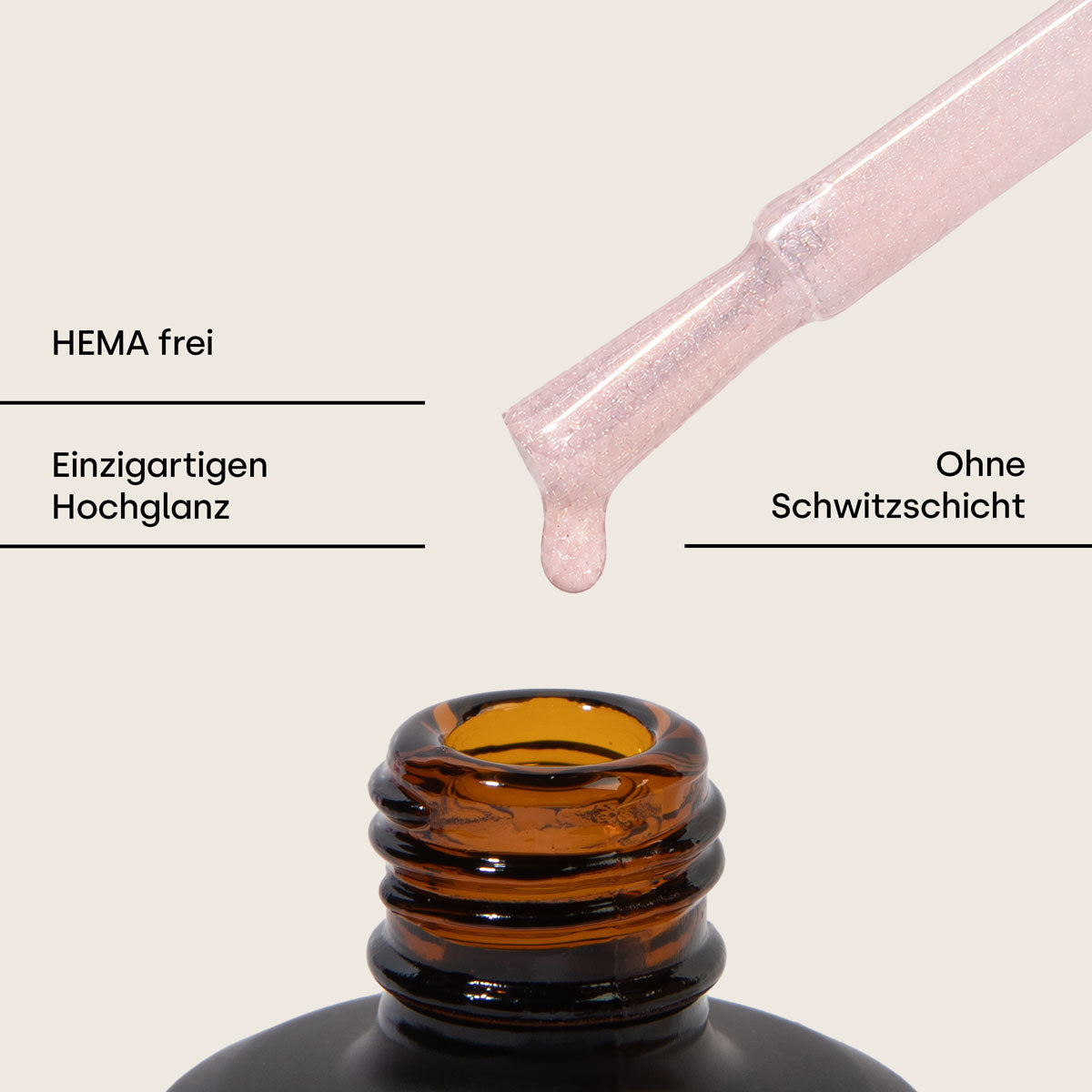
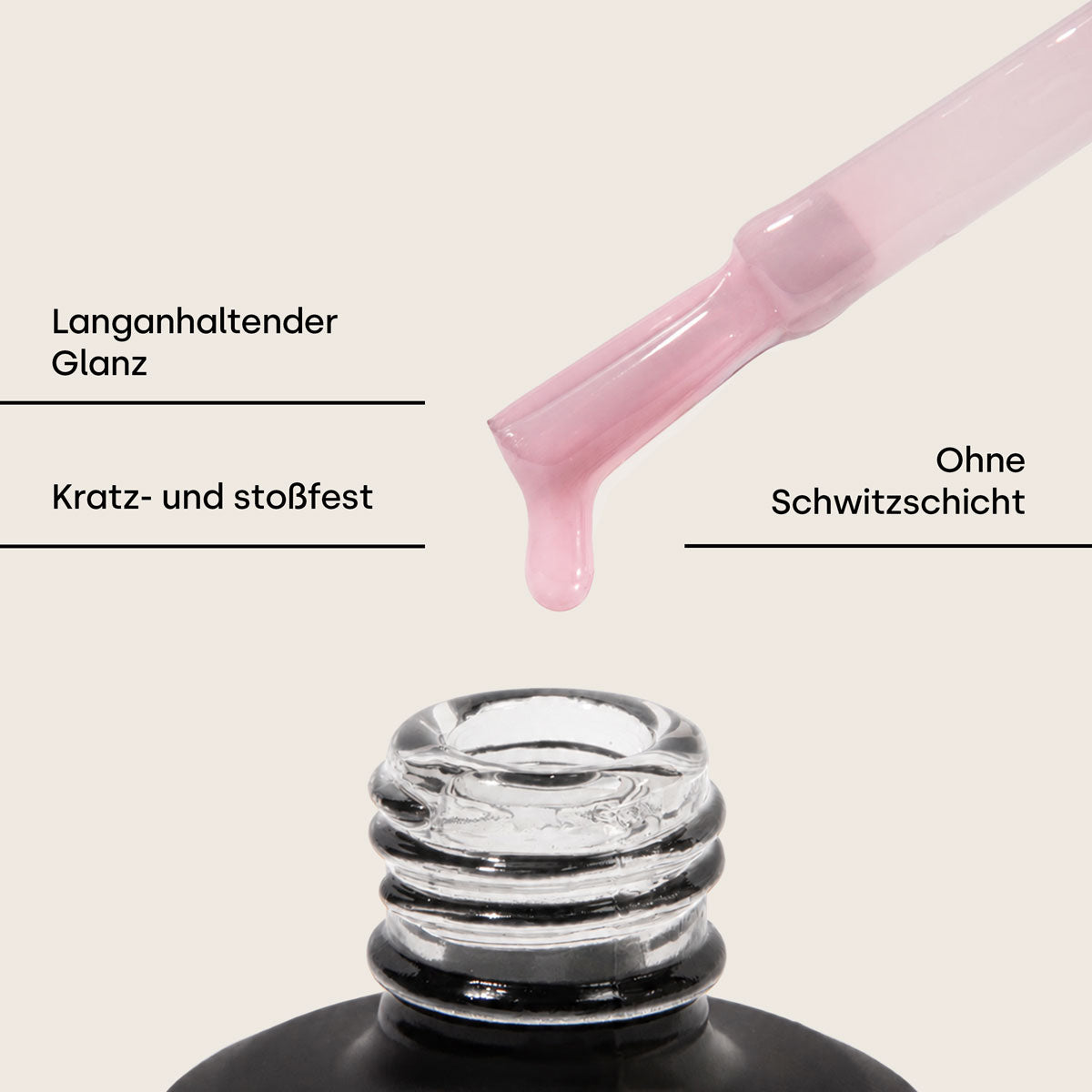
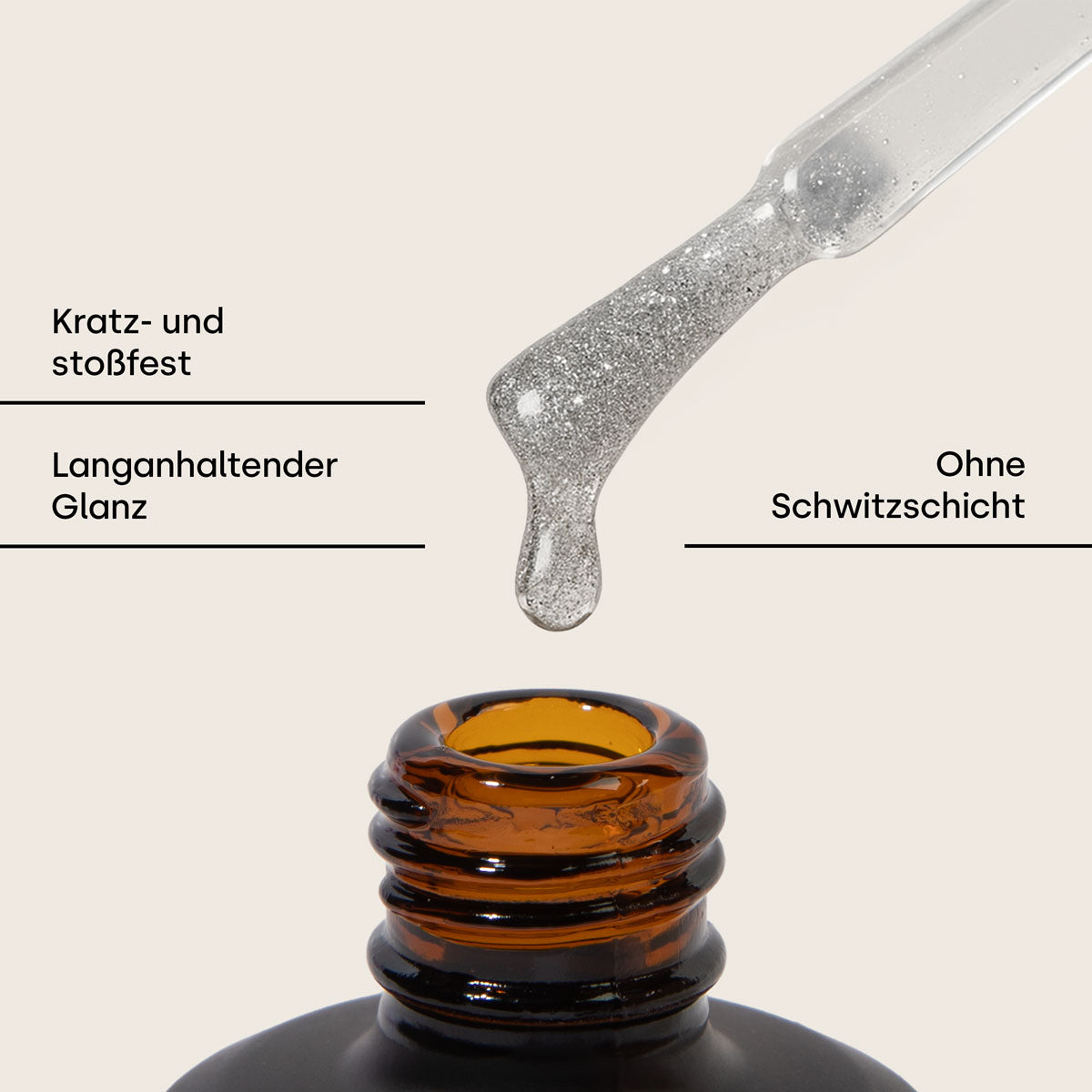
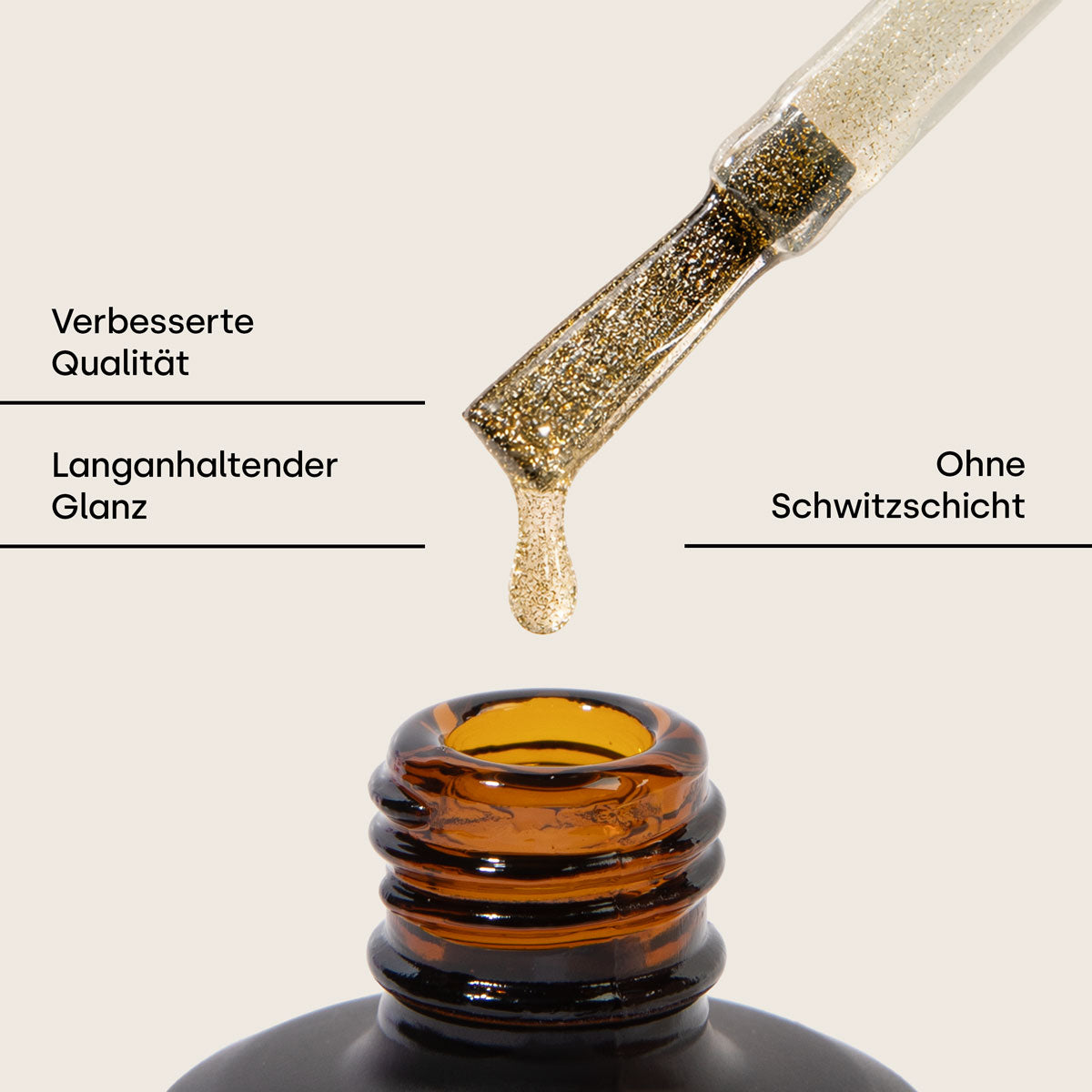
A sealing gel without an inhibition layer, often referred to as no-wipe, non-sticky, or non-sticky sealer, leaves no sticky inhibition layer after fully curing, so there is no need to remove it. In contrast, classic sealing gels may leave an inhibition layer after curing, which is removed according to the product instructions. This category includes both types.
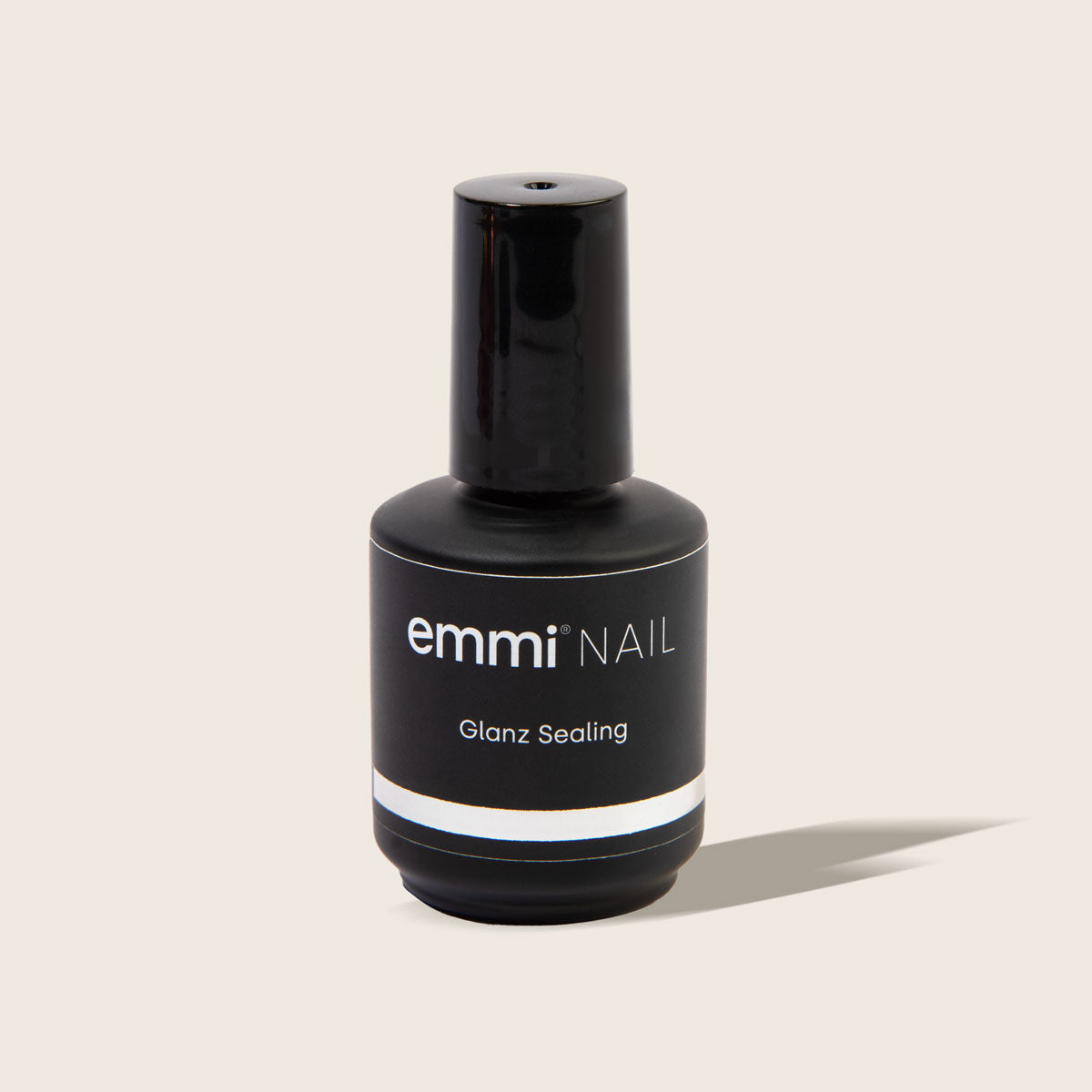
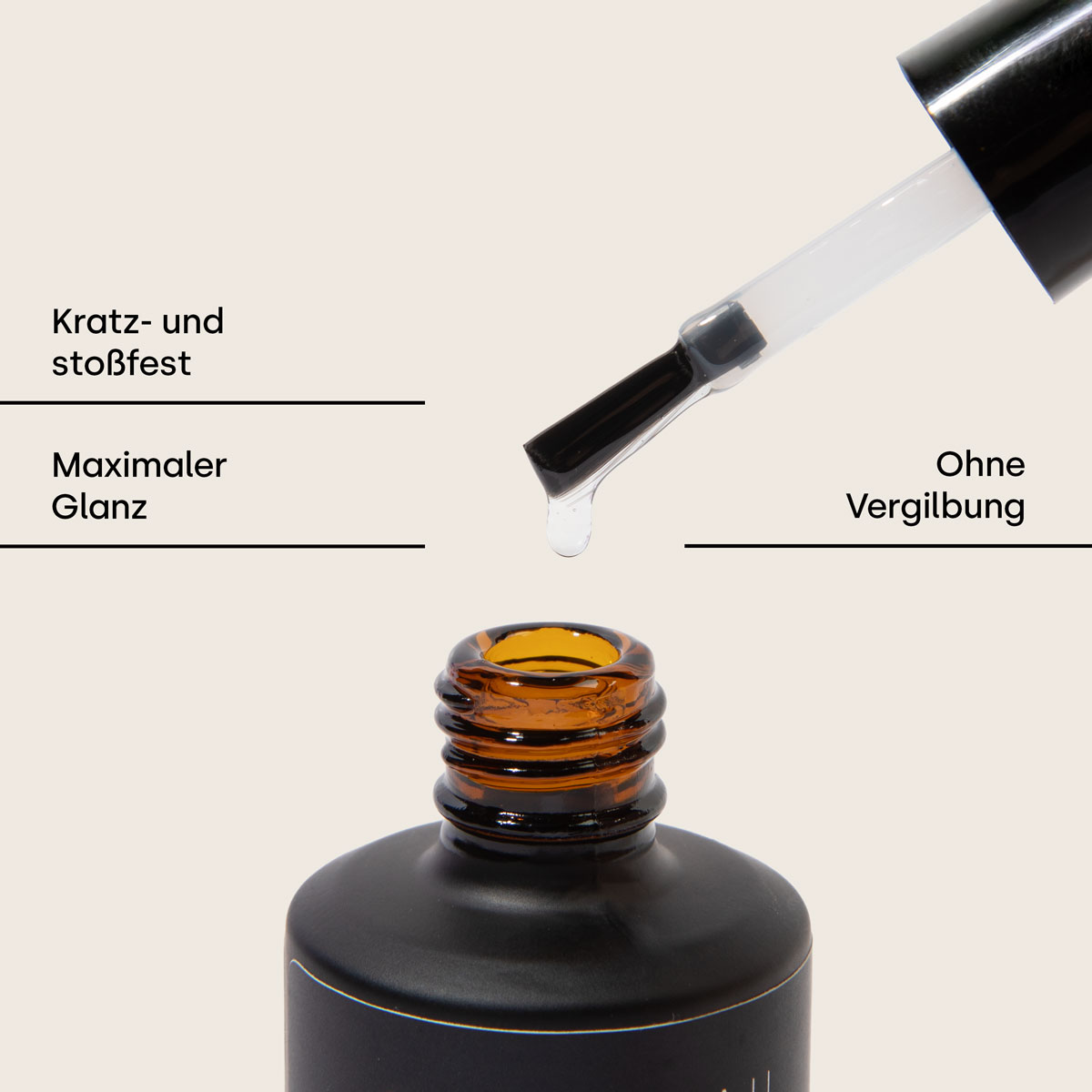
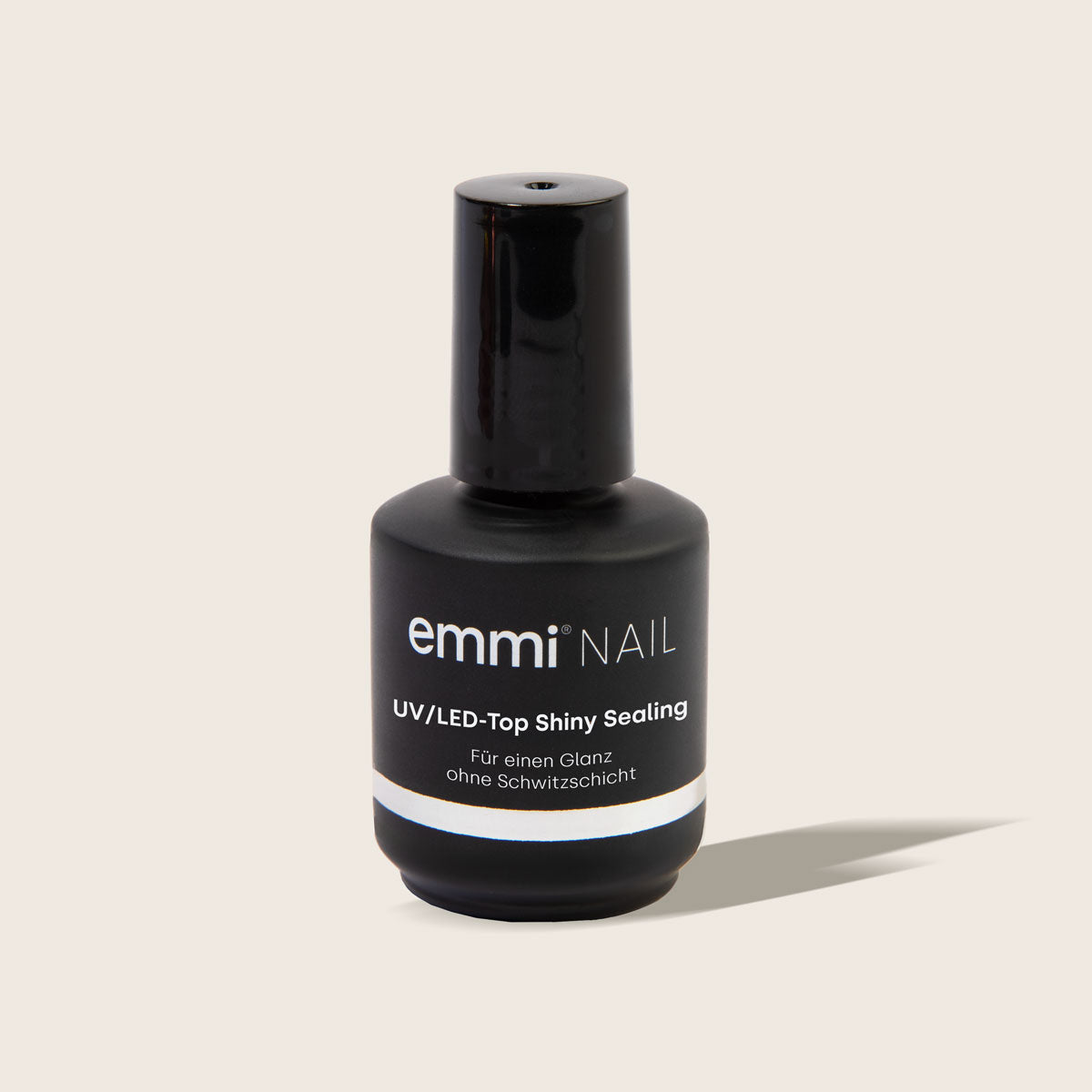
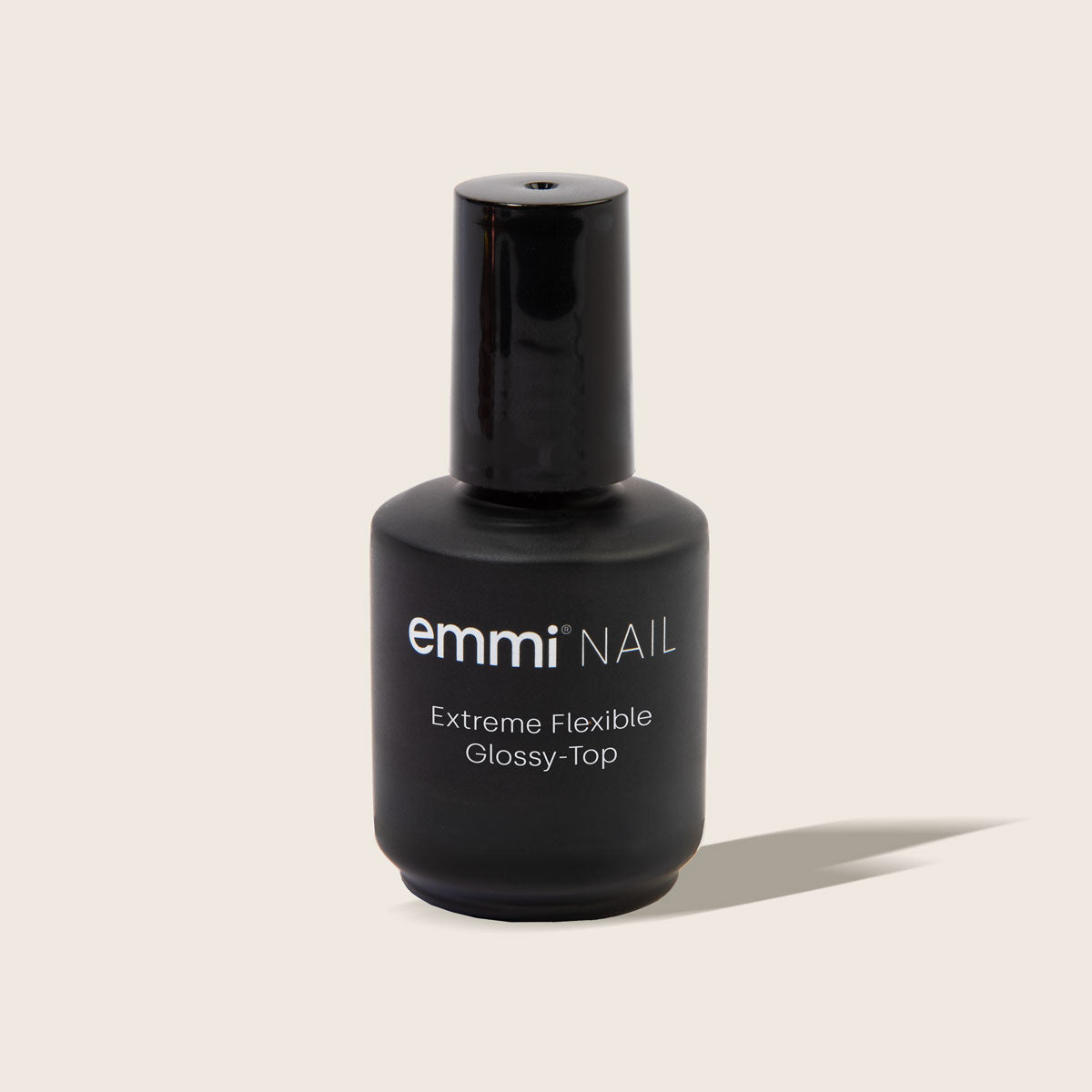
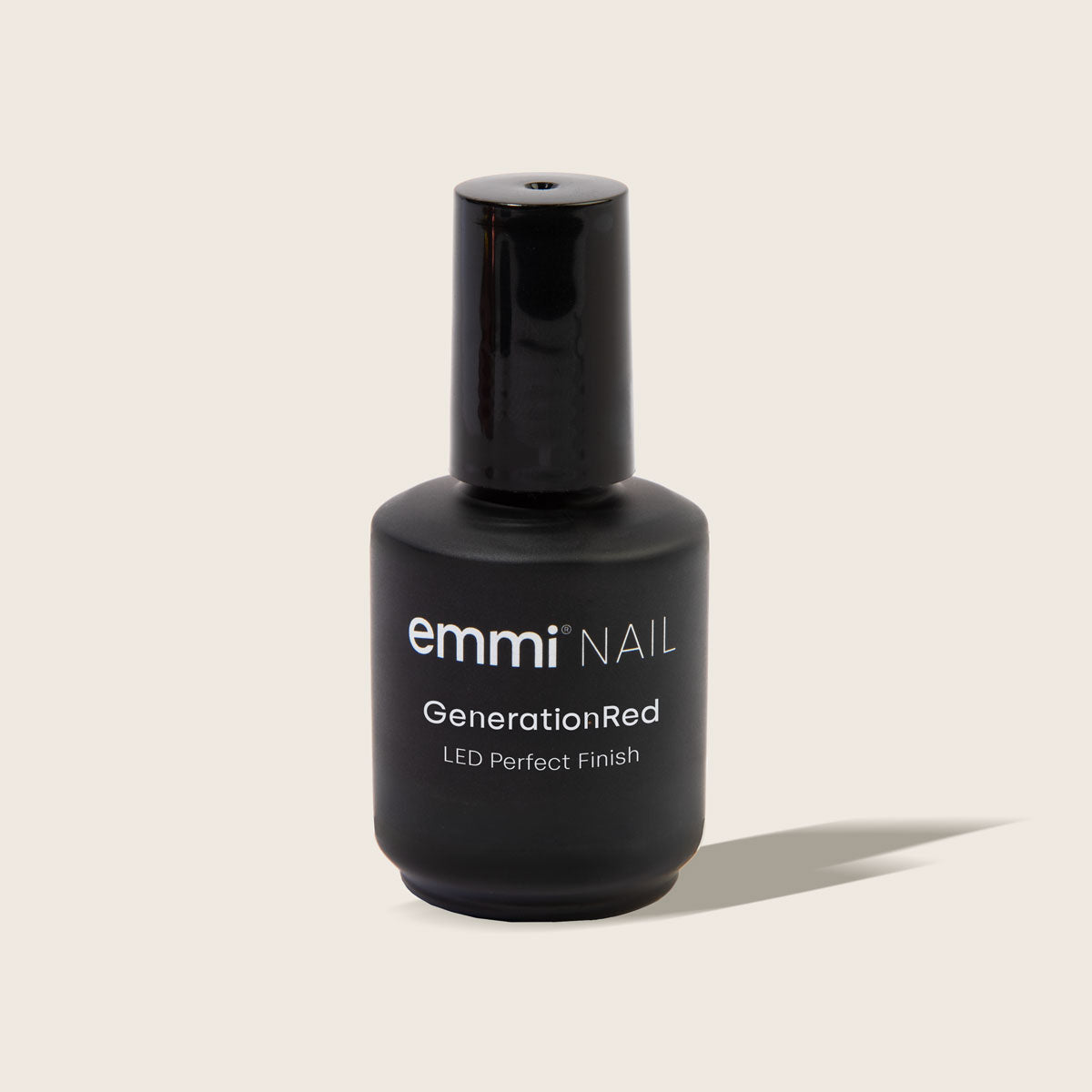
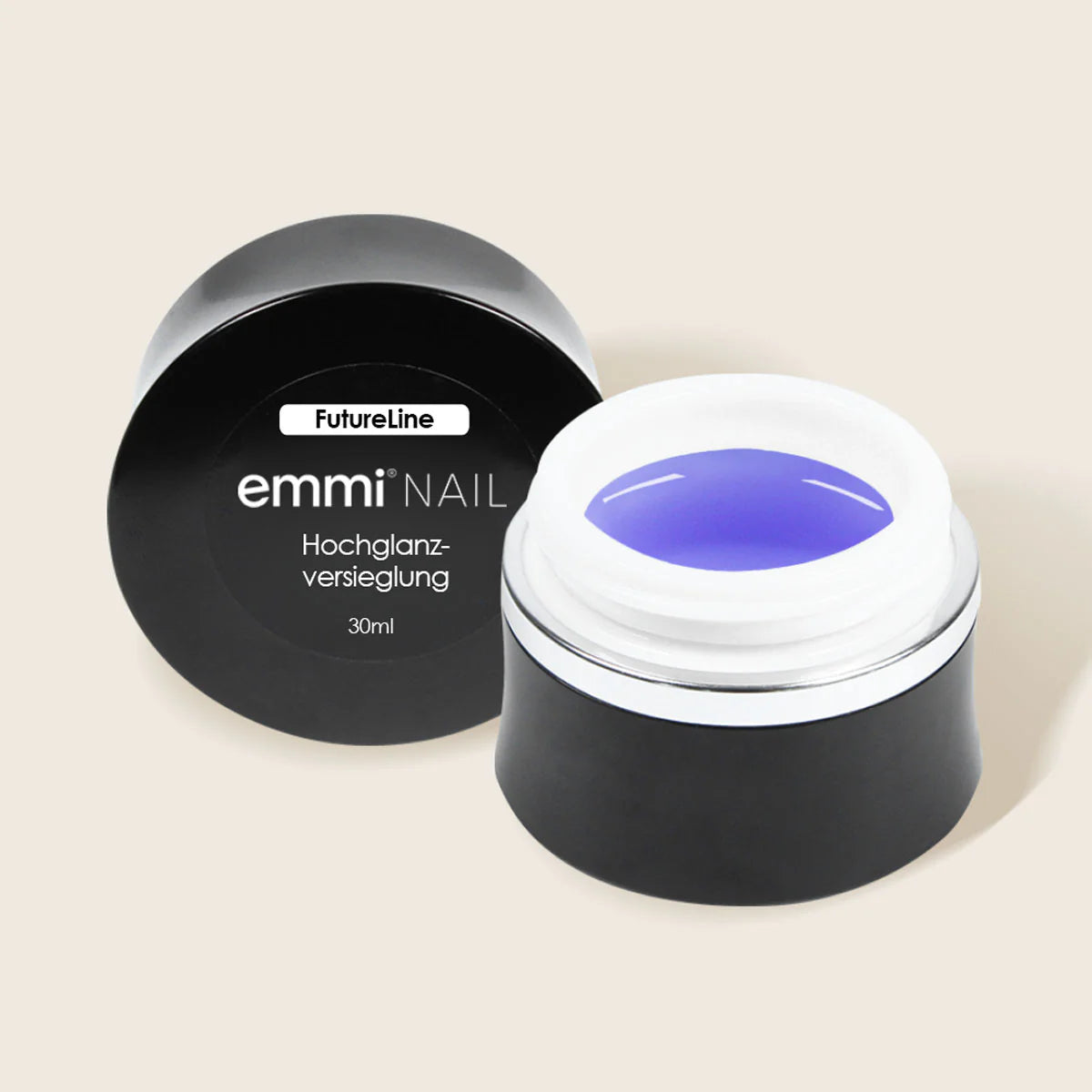
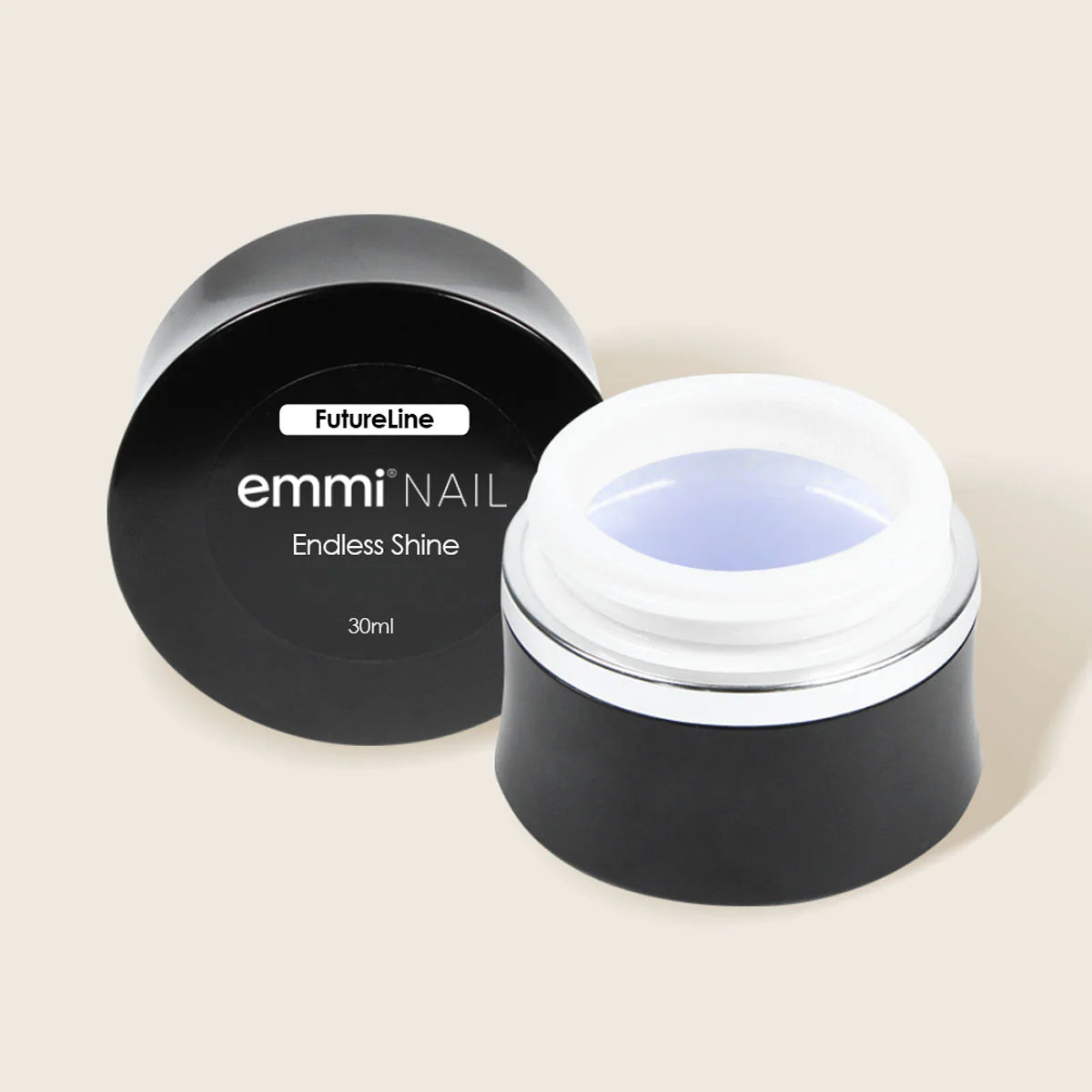
For a highly glossy finish, a suitable high-gloss or shiny sealing product should be chosen. emmi®NAIL offers, for example, Glanz Sealing, Top Shiny Sealing, Futureline High-Gloss Sealant, and Endless Shine. In addition, effect and matte sealants are available if a classic high-gloss finish is deliberately not desired.
After application and the desired color or nail art design, the sealing gel is applied evenly and cured under a suitable UV/LED lamp according to the product instructions. For a classic sealing, any sticky layer is then removed. This step is not necessary with a no-wipe sealer.